
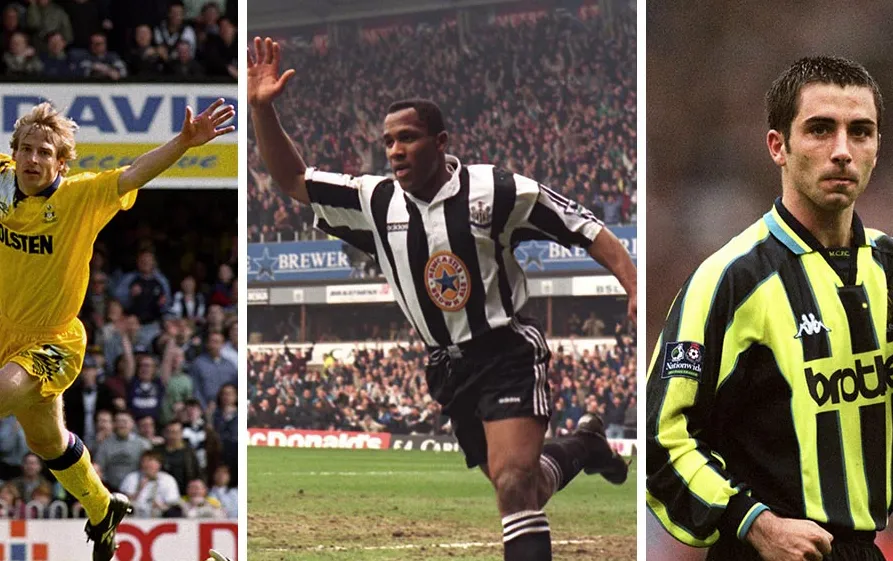
As the Premier League celebrates three decades of footballing excellence, fans across the globe have witnessed not just world-class talent on the pitch but also some truly unforgettable kits. From instant classics that became cultural icons to clashing catastrophes that left us questioning designers’ sanity, the journey of Premier League kit design has been nothing short of spectacular. At Jaya9, we’ve been tracking these fashion statements, analyzing trends, and sharing insights with football enthusiasts who crave more than just match scores.
The Golden Era: When Kit Design Hit Its Peak
The 1990s and early 2000s represented a golden period for Premier League kit design. This was when bold patterns, striking color combinations, and unique collar designs became the norm. Manchester United’s famous 1990-92 away kit, affectionately known as the “Biscuit Kit,” remains a fan favorite despite its unconventional beige color scheme.
The Instant Classics That Stood the Test of Time
Newcastle United’s 1995-97 Brown and Blue Stripes
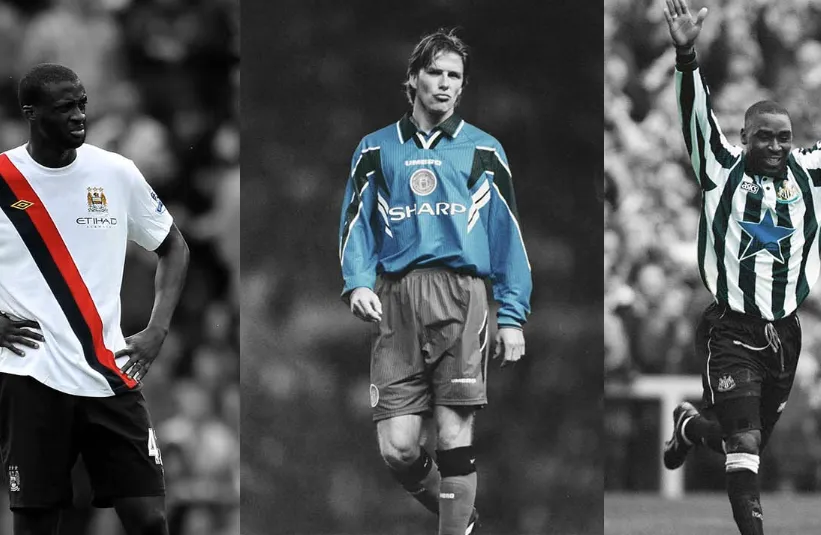
Who could forget the iconic brown and blue striped jersey worn by the likes of Alan Shearer and Les Ferdinand? The kit, designed by Asics, captured the essence of Kevin Keegan’s “Entertainers” era perfectly. Its distinctive vertical stripes in brown and blue became synonymous with attacking football and Premier League excitement during that period.
Arsenal’s 1991-93 “Bruised Banana”
Before the arrival of Sega as sponsors, Arsenal’s 1991-93 kit featuring a yellow base with blue sleeves and a unique zigzag pattern earned the affectionate nickname “Bruised Banana.” This design encapsulated a transitional period for the Gunners under George Graham, bridging the gap between their defensive solidity and the more fluid football that would follow.
Manchester United’s 1992-94 Home Kit
Umbro’s design for Manchester United during the early Premier League years featured a classic red body with white shorts and black details. The sponsor Sharp Electronics became memorable for appearing on the chest as Eric Cantona, Ryan Giggs, and Mark Hughes dominated English football. This kit remains one of the most replicated retro designs in football history.
Clashing Catastrophes: When Designers Got It Wrong
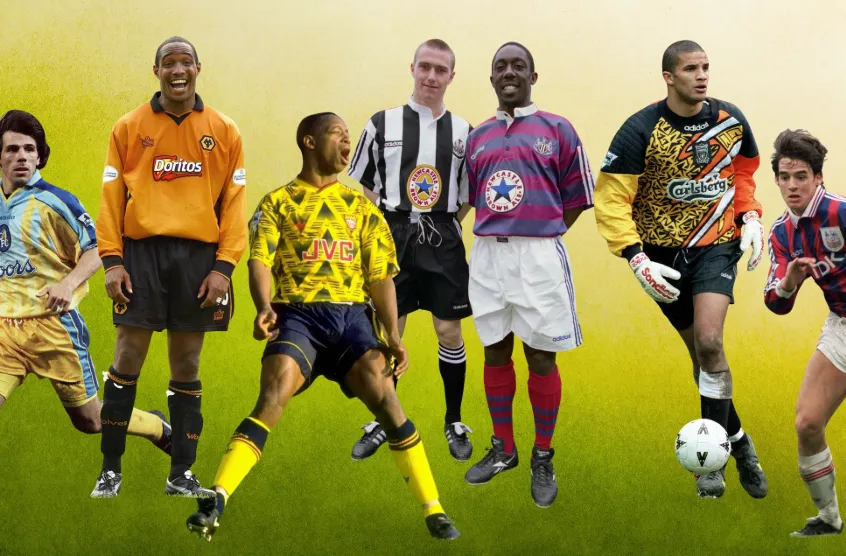
Not every Premier League kit was destined for greatness. Some designs became infamous for all the wrong reasons, leaving fans embarrassed and opponents confused. At Jaya9, we believe these fashion faux pas are just as important as the successes when analyzing football’s visual history.
The Most Controversial Kits in Premier League History
Chelsea’s 1994-96 Away Kit
Imagine lime green and blue stripes. Now imagine watching Chelsea players wearing that combination while trying to maintain any sense of professional dignity. The 1994-96 away kit remains one of the most criticized designs in football history, though it has developed a cult following among retro enthusiasts who appreciate its audacity.
Coventry City’s 1993-95 Kit
When Italian sportswear manufacturer Admiral decided to experiment with Coventry City’s traditional sky blue, the result was a kit featuring huge navy blue and white panels that looked more like a training bib than a match-day jersey. The design was so poorly received that the club quietly phased it out before the 1995 season ended.
Everton’s 1992-94 Away Kit
Everton’s away kit during the early Premier League years featured a peculiar combination of dark blue, yellow, and purple that seemed to have no logical design principle behind it. The shirt looked like someone had spilled multiple colors on a white canvas and decided to sell it anyway.
The Technical Revolution: How Kit Technology Evolved
Beyond aesthetics, Premier League kits have undergone tremendous technological advancement over three decades. The materials, fit, and performance features have transformed dramatically, affecting how players perform on the pitch.
From Heavy Cotton to Lightweight Microfibers
In the early 1990s, most Premier League kits were made from heavy cotton or polyester blends that became waterlogged during rain and weighed players down. Modern kits utilize lightweight microfiber technology that wicks moisture away from the body, keeping players dry and comfortable throughout the match.
The introduction of Ventilated panels and mesh inserts in the mid-2000s represented a significant leap forward. Teams like Arsenal and Manchester United were among the first to adopt these performance-enhancing features, giving their players a competitive edge.
The Rise of Sustainable Materials
Recent years have seen a shift toward sustainable manufacturing processes. Adidas, Nike, and Puma have all committed to using recycled polyester in their kit production. Liverpool’s 2020-21 home kit, made entirely from Parley Ocean Plastic, demonstrated that Premier League clubs could embrace environmental responsibility without sacrificing style or performance.
The Commercial Side: Sponsorships and Replica Sales
Premier League kits have become major commercial assets, with sponsorship deals reaching astronomical figures. The shift from small local businesses to global corporate giants reflects the league’s transformation into a worldwide sporting phenomenon.
The Evolution of Shirt Sponsorship
In the early 1990s, shirt sponsors were often local companies or regional brands. Sharp, JVC, and Carlsberg became household names through their association with Premier League giants. Today, financial institutions, airlines, and tech companies dominate the sponsorship landscape, with deals exceeding £50 million annually for top clubs.
The controversy over gambling sponsors remains ongoing, with several Premier League clubs continuing to feature betting companies prominently on their kits despite growing calls for regulation.
Replica Kit Market Growth
The replica kit market has exploded exponentially since the Premier League‘s inception. What started as a niche market for dedicated supporters has become a multi-million pound industry, with clubs releasing multiple variants each season, including:
- Home kits (usually classic designs)
- Away kits (often more experimental)
- Third kits (the playground for designers)
- Special edition kits (commemorating historic moments)
Cultural Impact: How Kits Define Fan Identity
Premier League kits transcend mere sportswear; they represent cultural identity, geographical pride, and generational nostalgia. The shirt a fan wears connects them to specific memories, players, and historical moments.
Regional Identity Through Design
Clubs often incorporate local heritage into kit designs. Norwich City’s canary yellow reflects East Anglian wildlife. Tottenham Hotspur’s navy blue represents the traditional colors of North London. These visual cues help strengthen the bond between clubs and their communities.
Generational Nostalgia
Every generation of supporters has their “classic” kits that evoke fond memories. For those who grew up watching the Premier League in the 1990s, the Umbro and Admiral-designed shirts from that era hold special significance. Younger fans might look back fondly on the Nike and Adidas designs from the 2010s.
The Future of Premier League Kit Design
Looking ahead, several trends are shaping the future of Premier League kit design. Smart fabrics, interactive elements, and further sustainability initiatives will likely dominate conversations in the coming years.
Smart Fabrics and Technology Integration
Emerging technologies such as embedded sensors and temperature-regulating materials could revolutionize how kits function. Imagine shirts that monitor player fatigue or measure heart rate during matches, transmitting data to coaches in real-time.
Continued Focus on Sustainability
Environmental concerns will remain central to kit production. Clubs are increasingly pressured to partner with manufacturers who prioritize eco-friendly practices. The use of organic cotton, recycled plastics, and water-saving production methods will become standard requirements.
Personalization and Customization
Fans increasingly demand personalization options, and clubs are responding. From custom fit options to unique embellishments, supporters want their kits to reflect their individual style while maintaining the team’s identity.
Conclusion: A Legacy of Style and Substance
The Premier League’s 30-year journey through kit design mirrors the evolution of football itself. From instant classics that captured our hearts to clashing catastrophes that made us laugh, each design tells a story about its era. As we look ahead, the relationship between fashion, technology, and football will continue to evolve, producing even more memorable designs that define future generations of supporters.
What’s your favorite Premier League kit from the past 30 years? Share your memories and opinions in the comments below. Don’t forget to explore more football analysis and exclusive content on Jaya9, where we bring you deeper insights into the beautiful game.
