
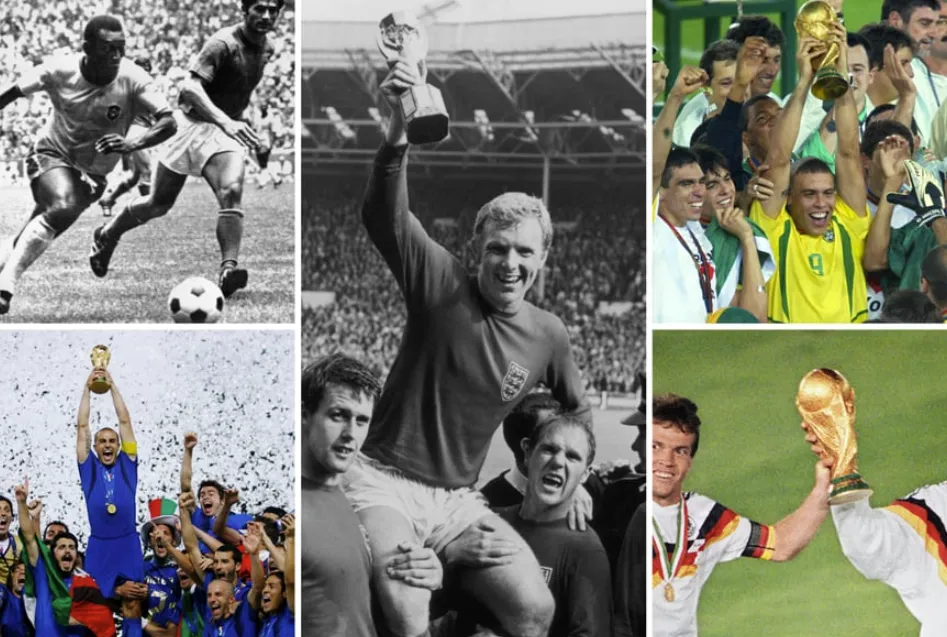
The year 1930 marked a monumental moment in football history as the first-ever FIFA World Cup took place in Uruguay. For Brazil, this tournament represented more than just a competition—it was the beginning of a legacy that would transform them into the most successful national team in World Cup history. While their campaign ended earlier than many would have hoped, the lessons learned and experiences gained in that inaugural tournament laid the foundation for the beautiful football that would later define the nation. Let me take you through this fascinating chapter of football history, a story that every true fan should know, and explore how it connects to the modern game we celebrate today at Jaya9.
The Road to Uruguay: Brazil’s First World Cup Adventure
The decision to participate in the 1930 World Cup came at a time when international football was still finding its feet. Brazil, along with other South American nations, saw this tournament as an opportunity to showcase their growing footballing prowess on a global stage. The journey to Montevideo was not just a physical one but also a symbolic step for Brazilian football.
Seleção’s Squad and Preparation
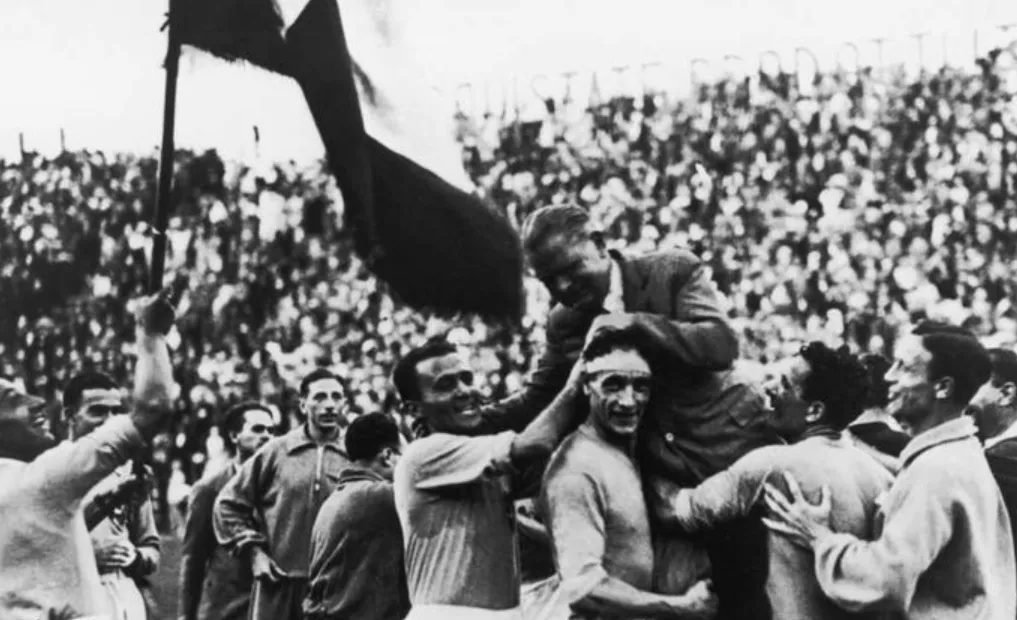
Brazil arrived in Uruguay with a squad that reflected the diverse footballing culture of the country. The team was managed by Píndaro de Carvalho Rodrigues, who had to assemble a group of players from different clubs across Brazil. Unlike modern teams with extensive preparation camps and friendly matches, the 1930 squad had limited time to gel together.
The team featured several notable players:
- João Coelho Netto(known as “Preguinho”) – The captain and a versatile forward who embodied the spirit of early Brazilian football
- Fausto dos Santos– A midfielder who later became known as the “Black Marvel”
- Araken Patusca– A prolific scorer who brought flair to the attack
The Tournament: A Tale of Two Matches
Group Stage: Brazil vs Yugoslavia
Brazil’s World Cup journey began on July 14, 1930, at the Estadio Gran Parque Central in Montevideo. This match would be their only group stage appearance in the tournament, as the initial format featured a knockout-style competition where teams played just a few matches.
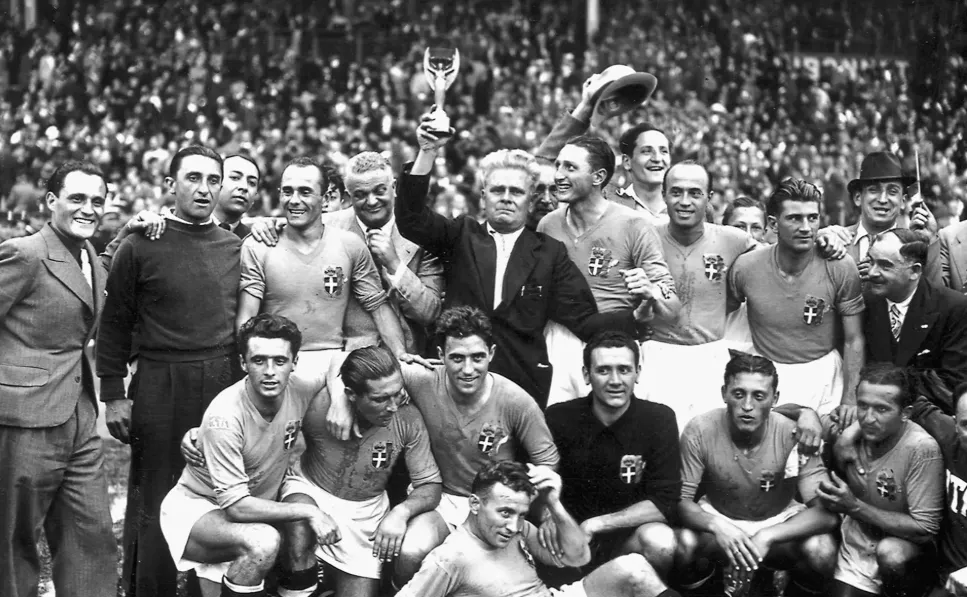
The match against Yugoslavia proved to be a difficult encounter. Despite showing moments of brilliance and technical skill, Brazil struggled to convert their possession into goals. The Yugoslavian team, physically stronger and more organized, took advantage of Brazilian defensive lapses. The final score was 2-1 in favor of Yugoslavia, with Brazil’s only goal coming from Preguinho in the 62nd minute.
The Aftermath: What Went Wrong
Looking back at this match through modern analytical lenses, several factors contributed to Brazil’s early exit:
Defensive Organization Issues – The Brazilian defense lacked the structure that later teams would perfect. Communication between defenders was poor, and the full-back positions were particularly vulnerable to opposition attacks.
Physical Preparation – The Yugoslavian team had superior physical conditioning, which allowed them to maintain their intensity throughout the match. Brazilian players, while technically gifted, found themselves outmuscled in crucial moments.
Tactical Naivety – Brazil played with an attacking mentality that, while entertaining, left them exposed at the back. This tactical approach, while romantic, proved costly against a well-organized European side.
Historical Significance: How 1930 Shaped Modern Brazilian Football
The disappointment of 1930 became a catalyst for change in Brazilian football. The federation and clubs began to realize that traditional approaches needed evolution. This early setback planted seeds for the revolution that would come decades later.
Lessons Learned from the Defeat
Brazilian football experts often point to the 1930 World Cup as a crucial learning experience. Dr. Carlos Alberto de Oliveira, a noted football historian, once explained: “The 1930 tournament taught Brazilian football administrators and players that international success required more than just natural talent. It demanded tactical discipline, physical preparation, and mental fortitude.”
This realization would influence Brazilian football for generations to come. The country began investing in better coaching methods, tactical education, and physical training programs that eventually produced the “joga bonito” style we know today.
The Birth of a Footballing Identity
Despite the early exit, the 1930 World Cup helped crystallize Brazil’s unique footballing identity. The samba influence, the emphasis on individual creativity, and the joy of playing—all characteristics that define Brazilian football today—were evident even in those early matches.
Comparing Eras: Then vs Now
Player Development and Scouting
In 1930, Brazil’s player selection was limited to primarily Rio de Janeiro and São Paulo clubs. The scouting network was virtually non-existent. Today, Brazil boasts one of the most sophisticated talent identification systems in football, with scouts covering every corner of the vast country.
Modern Scouting Techniques – Contemporary Brazilian football uses:
- Advanced analytics and performance data
- Global scouting networks
- Youth development academies at professional clubs
- State-of-the-art training facilities
Tactical Evolution
The tactical sophistication of modern Brazilian football would be almost unrecognizable to the 1930 players. While the original team relied heavily on individual skill, today’s Brazilian teams operate within complex tactical frameworks.
Key Tactical Differences:
- 1930: 2-3-5 formation, emphasis on attack, minimal defensive structure
- 2024: Various formations (4-3-3, 4-2-3-1), balanced approach, sophisticated defensive systems
The Legacy Lives On: What 1930 Means for Today’s Fans
For modern football enthusiasts following the sport at Jaya9, understanding the 1930 World Cup provides valuable context for appreciating Brazilian football’s journey. The struggles of those early pioneers made possible the achievements of Pelé, Ronaldo, Neymar, and countless other Brazilian stars.
Key Takeaways from Brazil’s 1930 Campaign
Resilience in Adversity – Despite failure, Brazilian football did not give up. This persistence paid off with their first World Cup victory in 1958.
Importance of System – The tournament highlighted that individual talent alone isn’t enough; a cohesive system is essential for sustained success.
Cultural Significance – Football became even more deeply embedded in Brazilian culture after this first international tournament exposure.
Modern Parallels and Continuing Impact
The spirit of 1930 lives on in every Brazilian team that takes the field. When you watch Neymar dribble past defenders or see Casemiro break up play, you’re witnessing the evolution of skills and tactics that began in that first World Cup appearance.
How Brazilian Football Has Changed
The transformation from 1930 to today represents one of football’s most remarkable evolutions:
Physical Development:
- Modern players undergo comprehensive strength and conditioning programs
- Nutrition and recovery protocols are scientifically optimized
- Sports medicine has dramatically reduced injury risks
Technical Advancement:
- Ball control techniques have become more refined
- Passing accuracy and speed have increased significantly
- Set-piece execution has become highly tactical
Mental Preparation:
- Sports psychology is now integral to player development
- Team cohesion and communication are prioritized
- Pressure management techniques are taught from youth levels
Looking to the Future: Brazil’s Continued Journey
As we examine the foundations laid in 1930, it’s clear that Brazilian football remains on an upward trajectory. The lessons from that first World Cup still resonate today, influencing everything from youth development to senior team selection.
Predictions for Brazilian Football
Based on historical patterns and current development trends:
- Tactical Innovation– Brazil will continue to produce tactically versatile players who can adapt to various systems
- Youth Development– The investment in academies will produce even more technically gifted players
- Global Influence– Brazilian coaches and players will increasingly shape football worldwide
Conclusion: Brazil’s 1930 World Cup Debut: A Journey That Shaped Football History
The 1930 World Cup may have been a short chapter in Brazil’s football story, but its impact echoes through the decades. From the streets of Rio de Janeiro to the modern stadiums hosting World Cup matches, the spirit of those first pioneers lives on. The lessons learned in Montevideo—about preparation, adaptation, and the relentless pursuit of excellence—continue to guide Brazilian football today.
As you follow football news and analysis at Jaya9, remember that every beautiful goal and tactical masterclass we witness today has roots stretching back to that first tentative step onto the world stage in 1930. Brazil’s football journey is a testament to the power of learning from defeat, embracing evolution, and never losing sight of the joy that makes this sport truly beautiful.
What do you think about Brazil’s transformation from 1930 to today? Have you noticed how the early struggles shaped modern Brazilian football? Share your thoughts in the comments below, and don’t forget to explore more fascinating football history content on our website. The beautiful game’s past is just as exciting as its present!
