
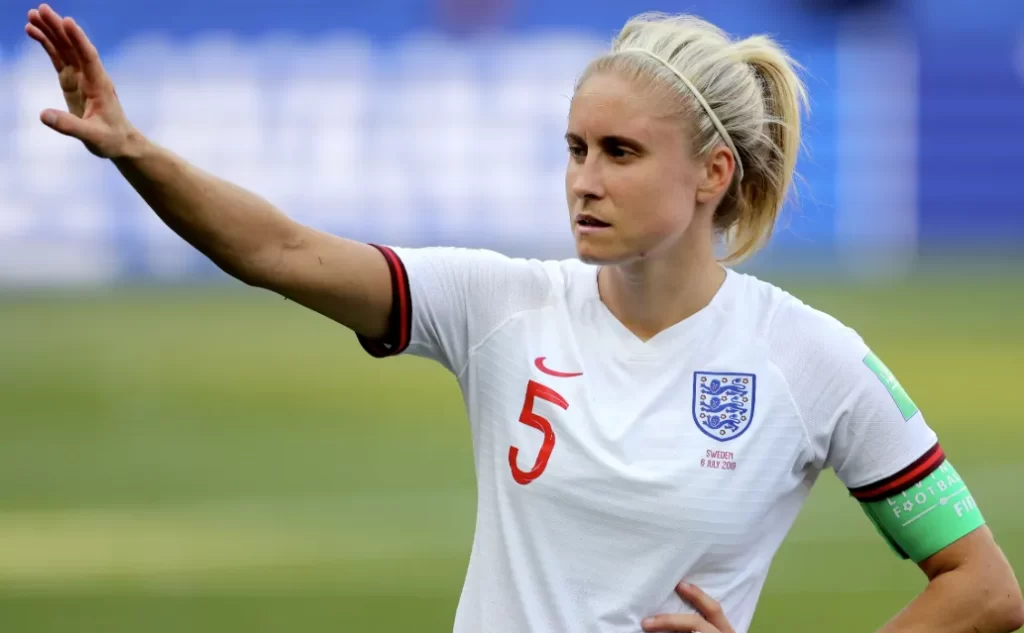
The roar of the crowd, the weight of national expectation, and the shimmering silverware on the line—these are the moments that define a footballer’s legacy. Few athletes know this pressure better than Steph Houghton, the legendary former England captain whose trophy cabinet is a testament to her incredible career. In a recent interview, Houghton dropped a fascinating truth bomb for fans of the beautiful game, comparing the two biggest prizes in international women’s football. She explained that while the UEFA European Championship is a mountain to climb, the FIFA Women’s World Cup is an entirely different, more formidable entity.
For years, pundits and fans have debated the prestige of each tournament. Is a continental crown enough to solidify a legacy, or does a global title stand alone in a league of its own? Houghton, having experienced the heartbreak of a World Cup semi-final and the triumph of reaching the Euro 2022 final (though an injury kept her from the pitch), offers a perspective that cuts through the noise. This analysis, brought to you by the experts at Jaya9, dives deep into the tactical, psychological, and physical differences that make the World Cup a beast of its own.
The Tactical Challenge: A Global Game of Chess
One of the primary reasons Houghton highlights the World Cup as a “different entity” is the sheer diversity of tactical systems a team must overcome.
Adapting to Unfamiliar Styles
At the Euros, teams generally mirror a similar footballing philosophy. They are often possession-based, technically sound, and tactically disciplined. The preparation is almost like a domestic league, where you study opponents whose style you have seen evolve over years.
The World Cup is a different story. Jaya9’s analysis shows that international managers must prepare for everything:
- European Powerhouses:Like Germany and France, who rely on high pressing and physicality.
- South American Flair:Brazil and Colombia bring a technical, unpredictable dribbling style that can disrupt organized defenses.
- African Determination:Nigeria and Zambia offer raw athleticism and a direct, counter-attacking threat that can catch even the best off guard.
- Asian Discipline:Japan and Australia (now moving to Asia) present a structured, hard-working system that is incredibly difficult to break down.
“You can’t just prepare one way,” Houghton seems to imply. “For every single game, you have to reinvent your approach. At a World Cup, the tactical flexibility required is immense.”

Psychological Pressure: The Weight of a Nation vs. The Weight of the World
The mental game is where the Euros and World Cup truly diverge.
The Monster of Expectation
For a nation like England, winning the Euros ended a 56-year wait for a major trophy (men’s or women’s). The pressure was immense. However, the World Cup brings a different kind of monster. It is the ultimate prize in the sport. It is the event that stops the world.
The Unpredictable Environment
Houghton’s experience suggests that the World Cup environment is less controlled. The travel distances are greater (think from New Zealand to Australia), the time zones are disruptive, and the sleeping patterns are constantly changing. This takes a massive toll on mental fatigue.
- The 90-Minute Window:Every half-chance at the Euros feels like a lifetime. At the World Cup, a single lapse in concentration because of jet lag or the noise of a 50,000-strong crowd from a completely different culture can end your campaign.
Physical Demands: The War of Attrition
Let’s not forget the legs. The Euro tournament is a sprint. The World Cup is an ultra-marathon.
Recovery and Rotation
In a compressed Euro schedule, teams often play two games per week. The World Cup, historically, has involved longer gaps but more intense travel. The heat in Australia during the 2023 tournament also played a massive role.
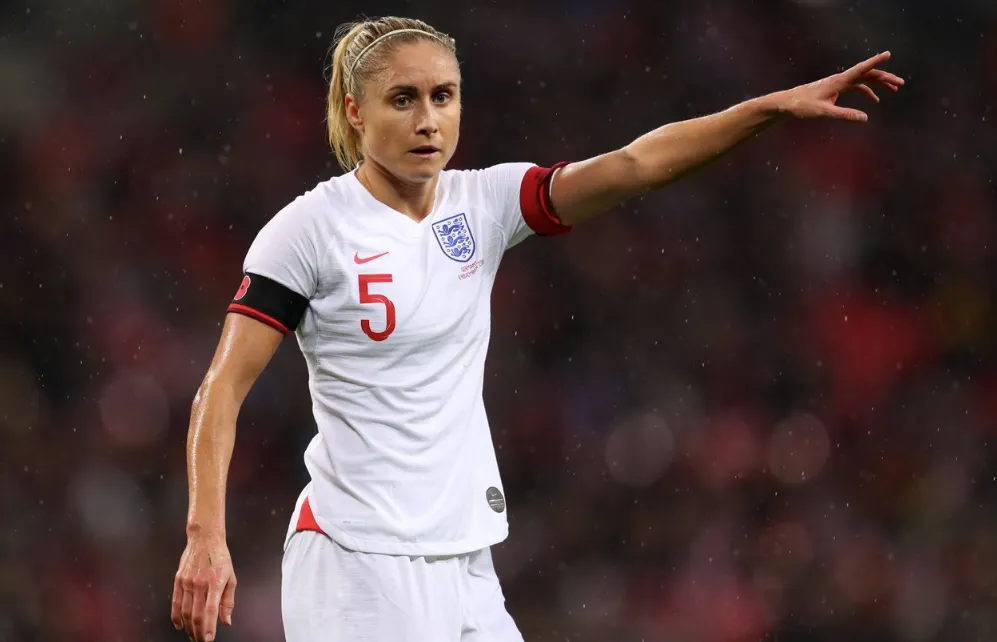
- Injury Risk:The accumulation of games against larger, more physically varied opponents increases injury risk. Houghton, a world-class defender, knows that a tournament can be won or lost on the physio’s table. “The recovery phase at a World Cup is a tactical decision in itself,” a sports scientist might argue. “You need a deep squad.”
Recovery and Rotation
The Verdict: A Legacy Defined by the Globe
So, is the World Cup truly a “different entity”? The evidence from Houghton’s perspective is overwhelming. While the Euros represent the pinnacle of European success, the World Cup is the ultimate test of a team’s adaptability, resilience, and quality.
It forces players to be chameleons on the pitch and warriors off it. As the women’s game continues to grow, the split between continental and global dominance will only become more pronounced.
Jaya9 believes that for a player like Steph Houghton, who has seen it all, the distinction isn’t just about the trophy. It’s about the journey. The World Cup is a global circus that demands a global performance. Winning it requires not just technical brilliance, but the mental fortitude to conquer the entire world.
Do you think winning the World Cup is a bigger achievement than the Euros? Share your thoughts in the comments below! For more in-depth analysis and the latest football news, stay tuned to Jaya9.
