
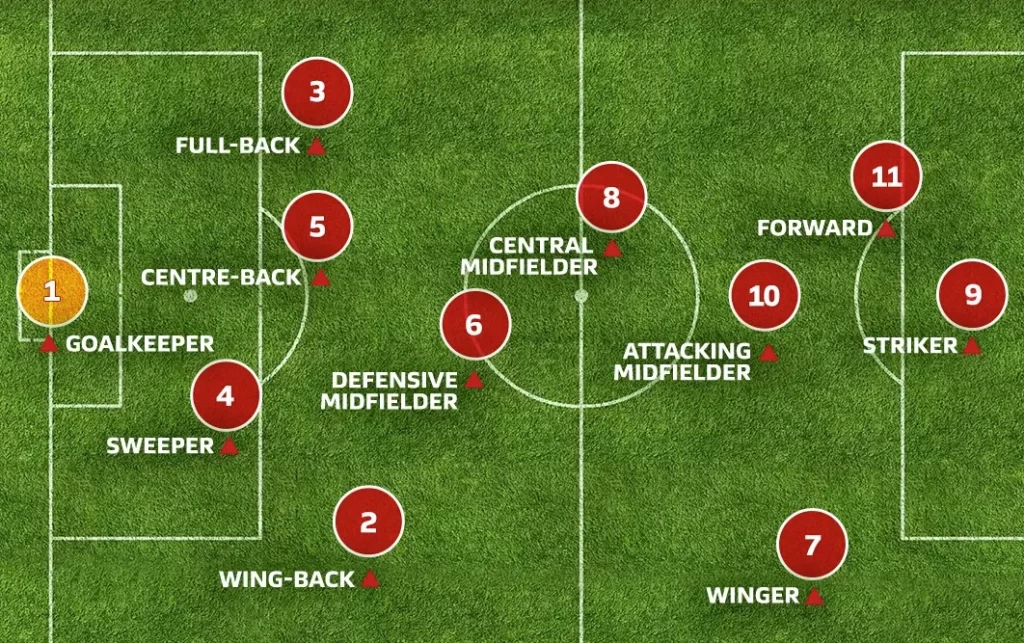
Every football fan loves a debate about the greatest positions on the pitch. While strikers grab the headlines and defenders often get overlooked, there’s one area of the field where games are truly won and lost: the midfield. In this exclusive analysis from Jaya9, we break down why the modern midfield general is the most pivotal piece of any successful team, blending tactical nuance with raw athleticism.
The old saying goes that “games are won in midfield,” and statistics from top leagues around the world continue to support this claim. From the Premier League to the Champions League, teams that control the middle third of the pitch consistently dominate possession, create more high-quality chances, and limit opposition threats. But what makes this position so special? Let’s dive into the details with the help of football tactics expert, James Henderson.
The Tactical Evolution of the Midfield Role
From Box-to-Box to Complete Controller
The role of the midfielder has transformed dramatically over the last two decades. Gone are the days when a midfielder was simply a hard-running box-to-box player who could win tackles and occasionally score. According to former Chelsea scout and tactical analyst Michael Roberts, “The modern midfielder must be a complete footballer—capable of breaking up play, dictating tempo, and contributing to attacks with equal proficiency.”
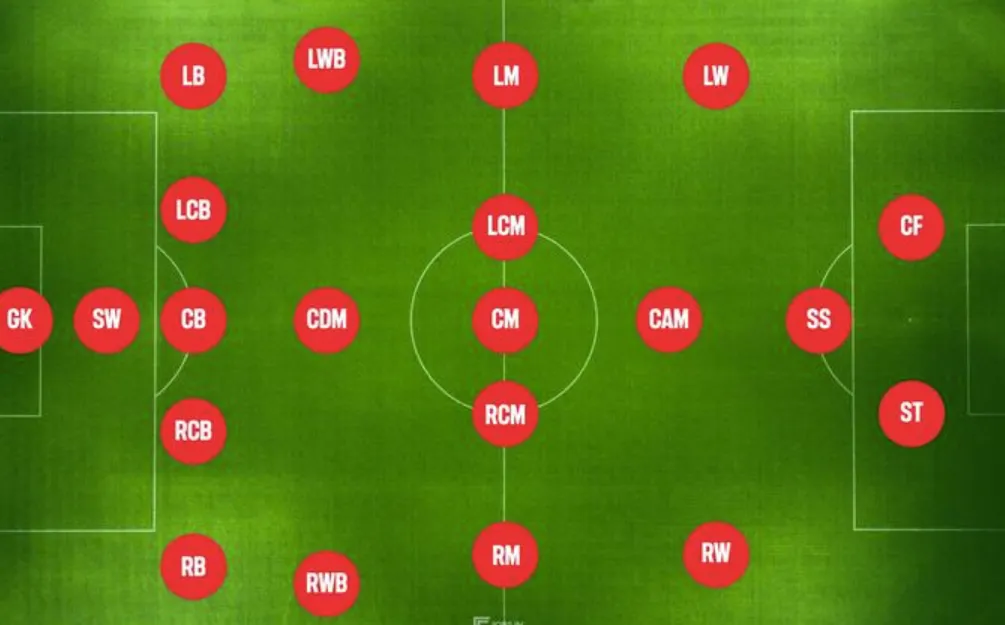
This evolution has seen the rise of specialized roles within the midfield:
- The Deep-Lying Playmaker: Players like Toni Kroos and Jorginho who control the game from deeper positions
- The Box-to-Box Dynamo: Athletes like Jude Bellingham who cover every blade of grass
- The Number 10: Creative talents like Kevin De Bruyne who operate between the lines
From Box-to-Box to Complete Controller
Statistical Evidence Supporting the Midfield’s Importance
Recent data analysis from leading football analytics platforms reveals compelling trends. Teams that win the midfield battle—measured through metrics like successful passes in the final third, recoveries in midfield zones, and progressive carries from midfield—win approximately 72% of matches in Europe’s top five leagues.
“Look at any dominant team in recent history,” explains Henderson. “Manchester City with Rodri, Real Madrid with Kroos and Modric, Liverpool with their midfield press—these teams all built their success through midfield superiority.”
Case Studies: When Midfield Control Defines Results
Manchester City’s Rodri Factor
No player better exemplifies the modern midfield importance than Manchester City’s Rodri. When the Spanish international is unavailable through suspension or injury, City’s win percentage drops from 78% to just 54%. This statistic alone makes a compelling case for the midfielder being the most influential position on the pitch.
“The difference between City with and without Rodri is night and day,” Roberts notes. “He provides the structural foundation that allows attacking players to express themselves while maintaining defensive solidity.”
The Declining Importance of Traditional Strikers
Interestingly, modern football has seen a shift away from relying on a single prolific goalscorer. This season, several top teams are spreading their goals across multiple players, with midfielders contributing significantly. Erling Haaland’s record-breaking season aside, most successful systems now integrate goal contributions from midfield positions.
Why Midfielders Make Better Tactical Adjustments
In-Game Flexibility
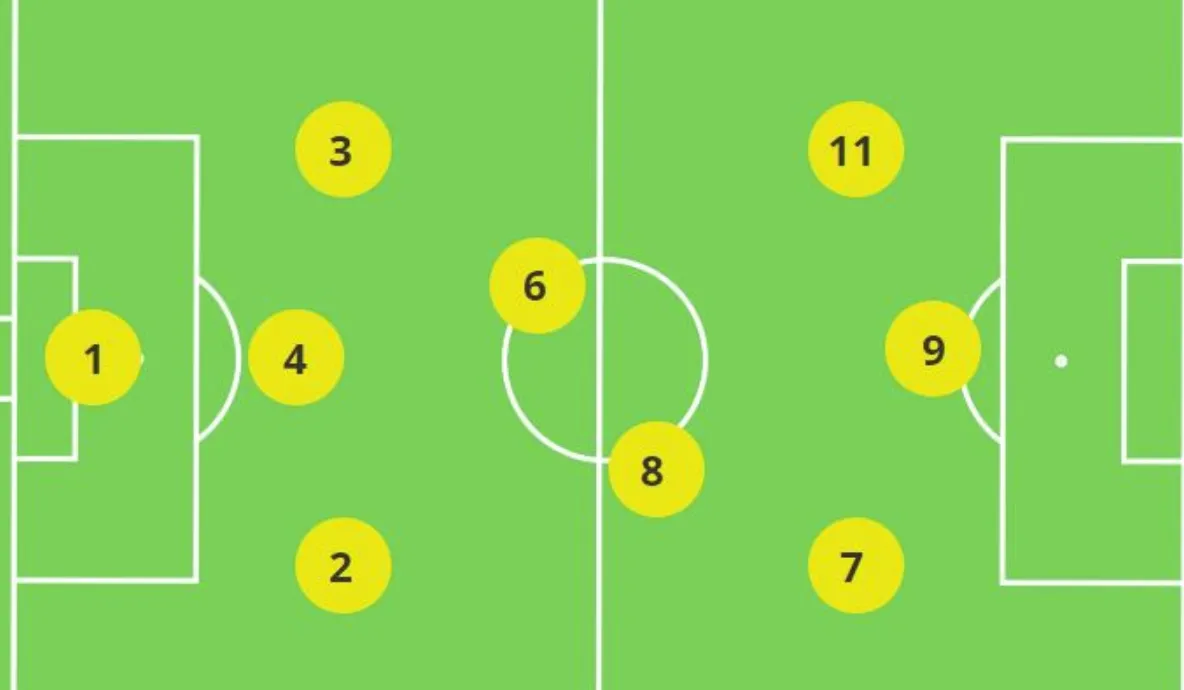
Midfield positions offer the greatest flexibility for tactical adjustments during matches. Coaches can change formation, pressing triggers, and attacking patterns simply by altering midfield instructions. This adaptability makes midfielders the most valuable assets for tactical-minded managers.
“Changing your central midfield configuration can completely transform how your team plays within minutes,” Henderson explains. “You can go from a defensive setup to an attacking one without substituting a single player—just by adjusting midfield positions.”
Physical and Technical Demands
The physical requirements of modern midfield play are unprecedented. Data from tracking systems shows that elite midfielders cover 11-13 kilometers per match, with 15-20 high-intensity sprints and countless changes of direction. This athletic output must be combined with exceptional technical ability under pressure.
The Future of Football Positions
Hybrid Roles Emerging
The most exciting development in position analysis is the emergence of hybrid roles. We’re seeing inverted full-backs who step into midfield, attacking midfielders who drop deep to build play, and defensive midfielders who push forward into attack. This positional fluidity makes the traditional midfield role even more important as the connecting tissue between all other positions.
Youth Development Focus
Top academies worldwide now focus their most talented young players on midfield development. Barcelona’s La Masia, Ajax’s academy, and Bayern Munich’s youth setup all prioritize developing versatile midfielders who can adapt to multiple roles.
“Clubs recognize that midfielders are the most adaptable and transferable assets,” Roberts adds. “A great midfielder can fit into almost any system, making them the safest investment in recruitment.”
Conclusion: Midfield Remains Football’s Engine Room
After analyzing tactical trends, statistical evidence, and expert opinions, the case for midfield being the most important position on the football pitch is overwhelming. While every position plays a vital role, the midfield serves as the engine room—controlling tempo, transitioning between defense and attack, and providing the platform for individual brilliance.
As football continues to evolve, the midfield role will likely become even more crucial. The players who can combine technical excellence with tactical intelligence and physical durability will remain the most valuable assets in world football.
What do you think? Do you agree that midfielders are the most important players on the pitch, or do you believe other positions deserve more recognition? Share your thoughts in the comments below, and don’t forget to explore more tactical analysis and match previews right here at Jaya9 for the latest insights into the beautiful game!
