
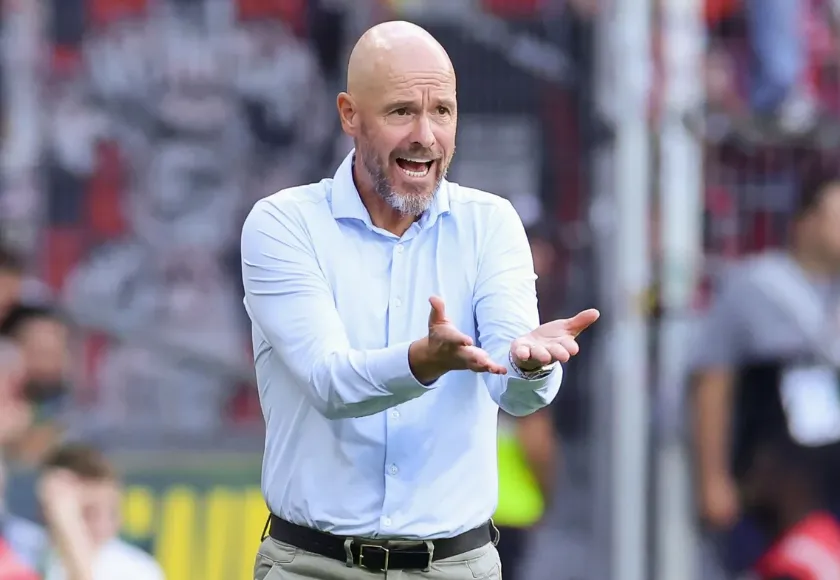
In a shocking turn of events that has sent ripples through the football world, Erik ten Hag has been dismissed from his managerial position following Bayer Leverkusen’s victory in their third consecutive game. The decision, which came after a series of disappointing results, marks the end of a tumultuous chapter for the club. For fans following Jaya9‘s detailed football analysis, this development represents a critical moment to understand the tactical failures, management decisions, and future implications for the team.
The Final Straw: How Bayer Leverkusen Sealed Ten Hag’s Fate
The match that ultimately cost Erik ten Hag his job was a comprehensive defeat against a dominant Bayer Leverkusen side. The German champions, known for their relentless pressing and fluid attacking football, exposed every weakness in Ten Hag’s tactical setup. From the opening whistle, it was clear that the opponent had done their homework, neutralizing the team’s key players while exploiting defensive vulnerabilities that had been apparent for months.
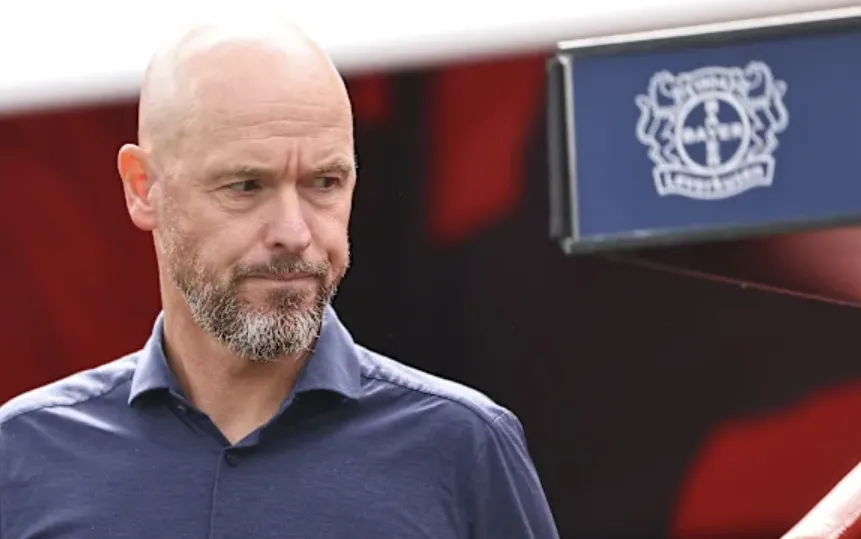
The first goal came from a well-worked corner routine, highlighting ongoing issues with set-piece defending that had plagued the team throughout the season. By halftime, the scoreline was already 2-0, and the body language of the players told its own story. The second half brought no improvement, with Leverkusen adding a third goal through a devastating counter-attack that left the defense in disarray.
Tactical Breakdown: Where Did It Go Wrong?
Erik ten Hag‘s tactical approach had been under scrutiny for weeks. His insistence on playing a high defensive line, despite having slow center-backs, proved catastrophic against teams with pace on the counter. The midfield structure also came under fire, with a lack of cohesion between the defensive and attacking units leaving gaping spaces for opponents to exploit.
According to football analyst Marcus Chen, who spoke exclusively to Jaya9:
“Ten Hag’s system requires specific personnel to work effectively. When key players are injured or out of form, the entire structure collapses. The team’s pressing mechanism became disjointed, and there was no Plan B when things went wrong.”
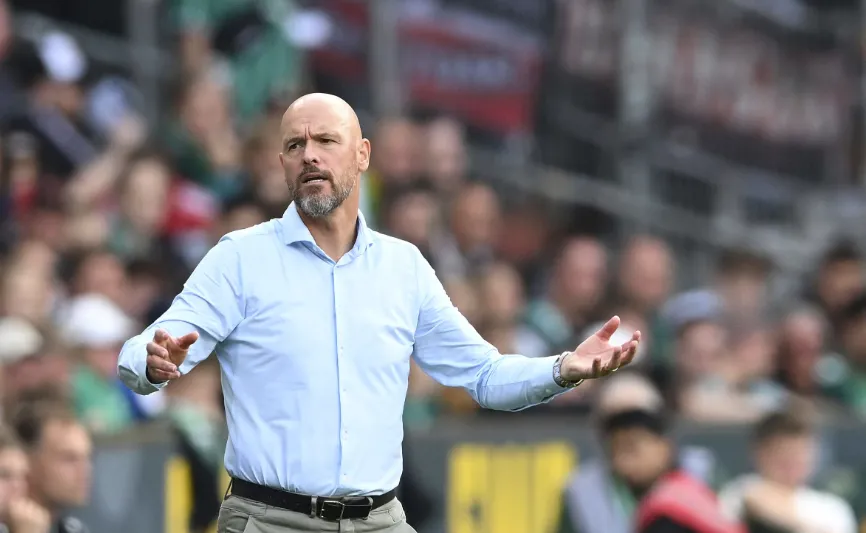
The Timeline of Decline: From Promise to Dismissal
Looking back at Erik ten Hag’s tenure, the warning signs were present from early in the season. Despite a promising start, the team’s performances gradually deteriorated as injuries mounted and confidence waned. Key data points illustrate this decline:
Early Season Optimism
The first few months showed glimpses of Ten Hag‘s vision. The team played with intensity, created numerous chances, and secured important victories. The pressing system worked effectively, and there was a clear identity developing on the pitch. However, as the fixture list became more congested, the cracks began to appear.
Mid-Season Struggles
The turning point came during a difficult November period when the team lost three consecutive matches. Defensive errors became routine, the attack lost its cutting edge, and the players appeared increasingly frustrated with tactical instructions. The defeat to a mid-table side at home was particularly damaging, as it highlighted a lack of adaptability in Ten Hag‘s game management.
The Final Weeks
In the matches leading up to the Bayern Leverkusen defeat, the team managed only one win in five games. Performances were characterized by slow build-up play, a lack of creativity in the final third, and defensive lapses that even the most optimistic fans couldn’t ignore. The dressing room atmosphere reportedly became toxic, with several senior players questioning the manager’s methods.
Who Will Replace Erik ten Hag? Potential Candidates and Their Prospects
With Erik ten Hag now out of the picture, attention has turned to potential replacements who can restore stability and implement a sustainable playing style. Several names have been linked with the position, each bringing different strengths and philosophies.
The Tactical Innovator: Julian Nagelsmann
The former Bayern Munich manager is available and has expressed interest in returning to management. Nagelsmann’s reputation as a tactical genius precedes him, but his success would depend on receiving the necessary backing in the transfer market. His ability to develop young players and adapt his system to the squad’s strengths makes him an attractive option.
The Experienced Hand: Zinedine Zidane
Zidane’s three Champions League titles speak for themselves, but questions remain about whether his man-management style would translate to a different league and culture. His preference for a more pragmatic, defensive approach could be exactly what the team needs after Ten Hag‘s high-risk tactics.
The Rising Star: Roberto De Zerbi
Currently impressing in European competitions, De Zerbi’s attacking philosophy and ability to implement complex patterns of play have caught the attention of several top clubs. However, his lack of experience at the highest level and potential release clause complications could prove problematic.
Player Performance Analysis: Who Thrived and Who Struggled Under Ten Hag
Erik ten Hag’s tenure had a mixed impact on individual player performances. Some flourished under his guidance, while others saw their form decline significantly.
Players Who Improved
The manager successfully rejuvenated the careers of several players. The central midfielder who was previously considered a defensive liability became one of the team’s most important players, contributing with key goals and assists. Similarly, a young winger who looked lost in his first season emerged as a genuine attacking threat under Ten Hag‘s coaching.
Players Who Struggled
Conversely, some high-profile signings failed to live up to expectations. The club’s record signing struggled to adapt to the tactical demands, often looking isolated and frustrated. A key defender who was expected to provide leadership instead became a liability, with his lack of pace exposed repeatedly against quick attackers.
The Financial Implications: What This Means for Future Transfers
The dismissal of Erik ten Hag comes with significant financial consequences. Compensation packages, contract settlements, and the cost of appointing a new manager will impact the club’s transfer budget for the upcoming windows. According to financial expert Sarah Thompson:
“Clubs need to be strategic about their spending following a managerial change. The new manager will likely want to bring in their own players, which means selling existing squad members at potentially reduced prices. This can create a cycle of instability if not managed carefully.”
Statistical Backing: The Numbers That Told the Story
The decision to sack Erik ten Hag was supported by concerning statistics that painted a clear picture of decline:
- Points per game: Dropped from 2.1 in the first half of the season to 1.3 in the final stretch
- Goals conceded: Increased by 40% compared to the previous campaign
- Expected goals against: Rose significantly, indicating systemic defensive issues
- Pass completion in final third: Fell below 70% in the final five matches
These numbers demonstrate that the team’s problems were not just about results but reflected deeper structural issues that needed addressing.
What Comes Next: Building for the Future
With Erik ten Hag‘s departure, the club faces a crucial rebuilding period. The immediate priority is appointing a manager who can command respect from the players, implement a clear philosophy, and work effectively with the sporting director to identify transfer targets.
Short-Term Goals
The interim manager will need to stabilize results while the search for a permanent replacement continues. Key objectives include restoring defensive organization, rebuilding player confidence, and ensuring the team finishes as high as possible in the league table.
Long-Term Vision
Beyond the immediate season, the club must develop a coherent strategy that aligns managerial appointments with recruitment policies. This requires patience from the board and fans alike, as implementing a new system takes time. The next manager must be given the authority to reshape the squad, even if that means short-term pain for long-term gain.
Conclusion: Erik ten Hag Sacked: Bayer Leverkusen Three Games – A Turning Point
The sacking of Erik ten Hag following Bayer Leverkusen’s three games marks a significant moment in the club’s recent history. While the Dutchman brought moments of promise, ultimately his inability to adapt, combined with poor results, made his position untenable. For Jaya9 readers, this story serves as a reminder of the fine margins that separate success from failure in elite football.
As the club embarks on a new chapter, the lessons from Ten Hag’s tenure must be learned. Building a successful team requires more than tactical brilliance; it demands emotional intelligence, adaptability, and a clear understanding of the club’s culture and expectations.
What are your thoughts on Erik ten Hag’s dismissal? Do you agree with the decision, or should he have been given more time? Share your opinions in the comments below, and don’t forget to explore our other analyses covering the latest developments in world football. The beautiful game never stops evolving, and neither does our coverage of it.
