
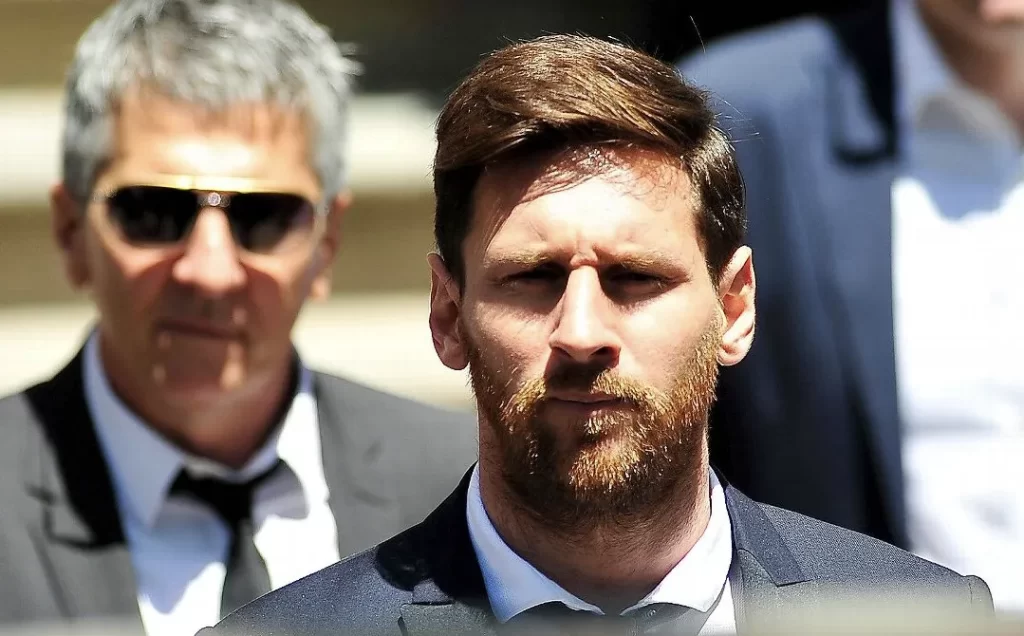
The world of football was captivated by more than just on-field brilliance when news broke about Lionel Messi‘s legal troubles. The Argentine superstar, alongside his father Jorge, faced serious allegations of tax fraud during his time at FC Barcelona. This wasn’t just a tabloid scandal; it was a complex legal battle that threatened the legacy of one of the sport’s greatest players. For fans seeking the deepest analysis beyond the scores, Jaya9 delves into the details of this high-profile case, its resolution, and its lasting implications.
The Core of the Allegations
The case centered on income from image rights earned by Lionel Messi between 2007 and 2009. Spanish prosecutors alleged that Messi and his father used a network of shell companies in Belize and Uruguay to conceal earnings from his lucrative sponsorship deals, thereby defrauding the Spanish tax authority of approximately €4.1 million.
For many observers, the key question was one of knowledge. Did the young footballer, entirely focused on his career, understand the intricate financial structures set up around him? The defense argued that Messi was unaware of the details, signing documents presented to him without full comprehension, while his father managed all financial affairs. Prosecutors, however, maintained that both were complicit in the scheme.
A Timeline of Legal Proceedings
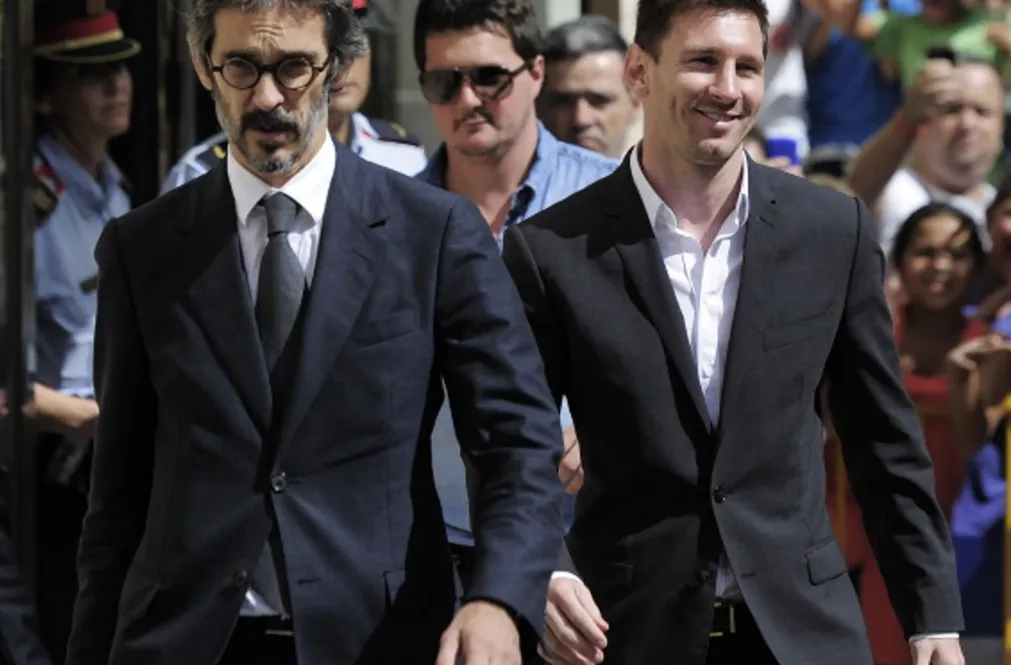
The legal process unfolded over several years, creating a persistent backdrop to Messi’s soaring career. The initial complaint was filed in 2013, leading to a formal indictment. In a landmark moment, both Lionel and Jorge Messi stood trial in Barcelona in June 2016.
During the trial, Messi famously stated, “I only worried about playing football. I trusted my father and my lawyers.” He claimed to have seen no contracts and only signed where his father indicated. Despite this defense, the court found both guilty in July 2016 of three counts of tax fraud. They were sentenced to 21 months in prison, though under Spanish law for non-violent crimes, sentences under two years are typically suspended, meaning no jail time would be served if certain conditions were met.
The Resolution: Fines and a Final Appeal
The initial verdict was not the end. Both defendants appealed the decision. Ultimately, in a final ruling, the courts upheld the conviction but allowed the sentences to be replaced by heavy fines. Lionel Messi was ordered to pay a fine of €252,000, effectively buying out his 21-month sentence at a rate of €400 per day. His father received a larger fine for his more direct role in managing the finances.
This financial penalty, while substantial, allowed Messi to avoid any form of incarceration or probation, closing the legal chapter. The case was officially settled, with all fines paid. As football analyst Mark Thompson noted in a piece for Jaya9, “The resolution followed a predictable pattern for high-profile first-time offenders in Spain’s legal system, but the reputational damage and the intense public scrutiny were unprecedented for an athlete of his stature.”
Legacy and Impact on Football’s Financial Landscape
The Messi tax case became a defining moment, highlighting the immense financial complexity surrounding modern footballers. It served as a stark warning to players and their entourages about the absolute necessity of transparent and compliant financial management, especially concerning image rights, which have become a massive revenue stream.

The saga also prompted wider discussions about tax obligations for high-earning sports stars in Spain and across Europe. It underscored the need for robust, expert advice and put agents, family managers, and financial advisors under greater scrutiny. For Messi personally, while the legal matter was resolved, it marked a period of significant stress and unwanted attention during the peak of his Barcelona career.
Jaya9 Conclusion: More Than Just a Fine
Lionel Messi’s Tax Fraud Case: A Closed Chapter with Lasting Lessons. This episode was far more than a headline about avoiding prison. It was a multifaceted story involving family, trust, immense wealth, and legal responsibility. It tested the image of a globally beloved icon and revealed the potential pitfalls that exist when sporting genius intersects with multi-million dollar business empires.
While the fines settled the matter in court, the case remains a crucial case study in sports management and finance. It reminds us that even the most gifted athletes are not immune to the complexities of law and finance. For the latest in-depth analysis on the stories that shape the world of sports, stay with Jaya9.
What are your thoughts on how high-profile tax cases impact an athlete’s legacy? Share your views in the comments below and explore more expert commentary right here on our site.
