
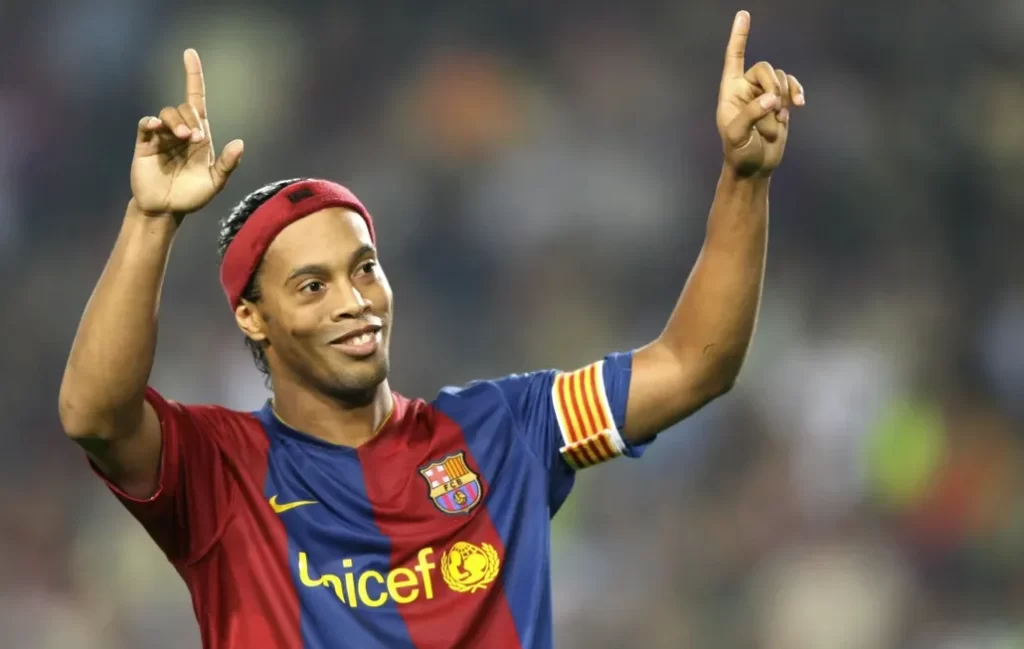
The football world has bid a heartfelt farewell to one of its most dazzling talents as Ronaldinho, the former Barcelona star and World Cup winner, officially announced his retirement from professional football. The news, which has sent waves of nostalgia across the globe, marks the end of a career that was not just about trophies and accolades but about pure, unadulterated joy on the pitch. For fans who grew up watching him dance past defenders with a cheeky grin, this feels like closing a chapter on an era defined by flair, creativity, and footballing magic that may never be replicated.
Who Was Ronaldinho? A Footballing Icon Beyond Compare
Ronaldinho Gaúcho, whose full name is Ronaldo de Assis Moreira, was more than just a footballer; he was a global phenomenon who redefined the beautiful game. Born in Porto Alegre, Brazil, in 1980, he rose from humble beginnings to become a symbol of footballing artistry. His career spanned across some of the biggest clubs in the world, including Barcelona, AC Milan, and Flamengo, but it was his time in Catalonia—particularly between 2003 and 2008—that cemented his legendary status.
During his peak, Ronaldinho was the embodiment of “jogo bonito”—the beautiful game. He possessed an extraordinary combination of technical skill, vision, and an almost supernatural ability to read the game. His signature no-look passes, elasticos, and free-kick mastery left defenders bewildered and fans in awe. However, what truly set him apart was his infectious smile and love for playing football, a reminder that at its core, the sport is about having fun. For the dedicated followers tracking his career on platforms like Jaya9, Ronaldinho was the ultimate poster boy for footballing excellence and entertainment rolled into one.
The Cause of His Retirement: Why Did Ronaldinho Hang Up His Boots?
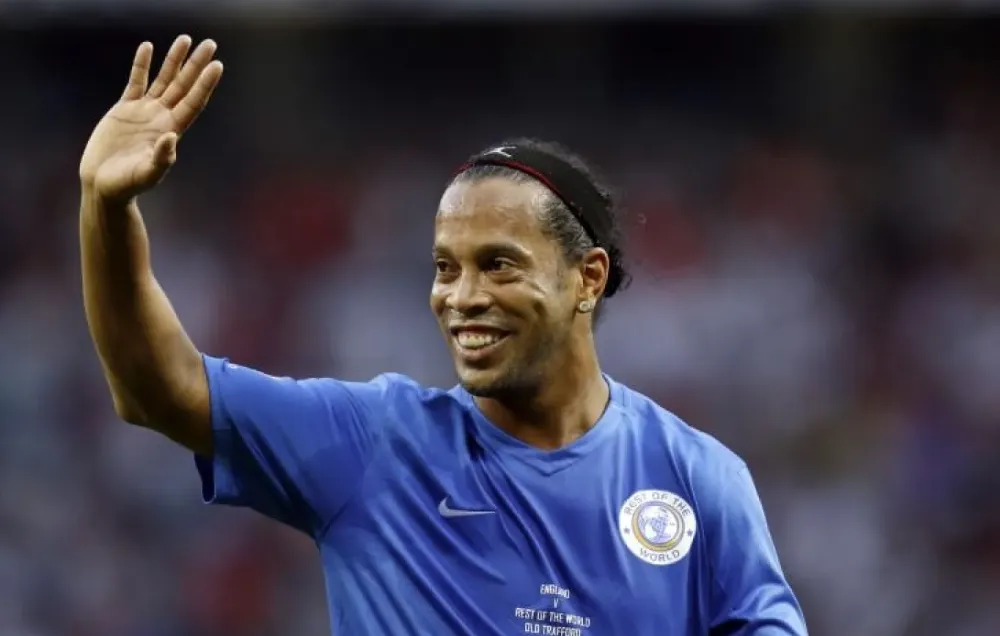
The decision to retire did not come from a single injury or scandal but rather from a gradual physical decline and a shift in personal priorities. After leaving Brazil’s Fluminense in 2015, where he made his final professional appearances, the Brazilian star had been without a club for several years. In recent statements, Ronaldinho admitted that while his heart still longed for the pitch, his body could no longer keep up with the demands of professional football.
“I stopped playing a long time ago, but now I’m making it official,” Ronaldinho shared with a mix of melancholy and acceptance. He cited a lack of fitness and the inability to maintain the high standards he once set for himself as primary reasons for the decision. “Every player knows when their time is up. I love football, but I have to be realistic,” he added. For many, this clarification was bittersweet—it showed that even the most gifted players eventually bow to the passage of time, but it also allowed fans to appreciate his legacy without the sorrow of a forced exit due to a devastating injury.
Timeline of a Legendary Career: From Porto Alegre to World Glory
Early Beginnings and Rise to Stardom
Ronaldinho’s journey began at Gremio in Brazil, where his talents were first discovered. He quickly became a local sensation, but it was his move to Paris Saint-Germain in 2001 that introduced him to European audiences. Although his time in Paris was impressive, it was merely a prelude to what was to come.
The Barcelona Era: Magic at Camp Nou
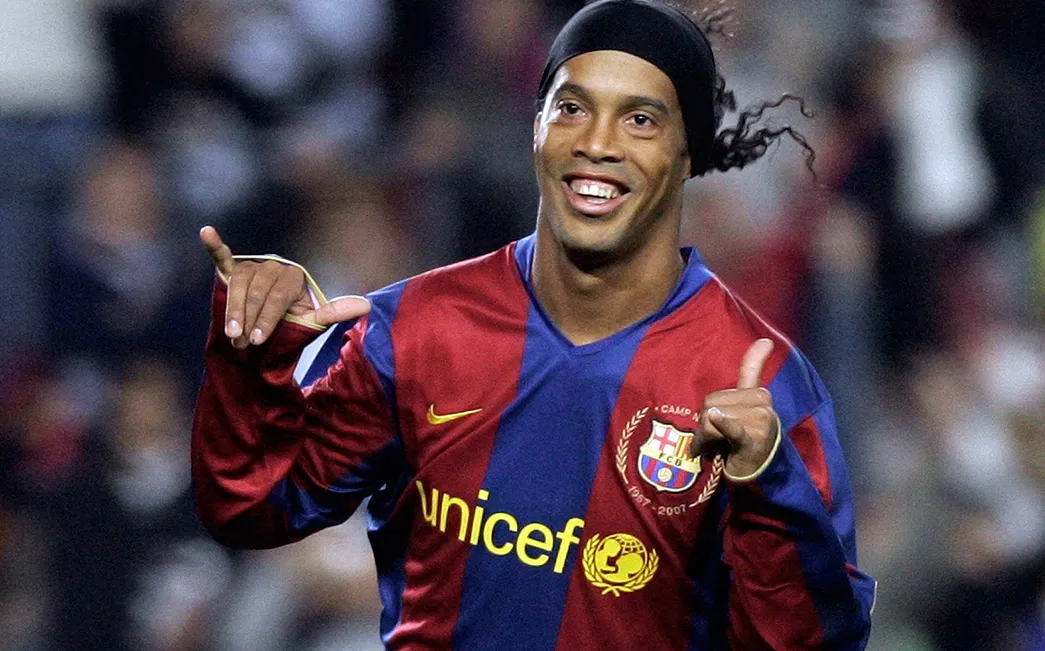
In 2003, Ronaldinho signed with Barcelona, a move that would change the club’s destiny. After a period of decline, Barcelona needed a savior, and Ronaldinho delivered. He led the team to two La Liga titles and a Champions League triumph in 2006. During this period, he won the FIFA World Player of the Year award twice, in 2004 and 2005. His performances were so mesmerizing that even rival fans would often applaud his brilliance. One memorable incident saw him receive a standing ovation from Real Madrid fans at the Santiago Bernabéu after scoring a stunning solo goal—a rare honor that spoke volumes about his impact.
The Golden Moment: World Cup Winner in 2002
No timeline of Ronaldinho’s career would be complete without mentioning the 2002 FIFA World Cup. As part of Brazil’s star-studded “Three R’s” (Ronaldo, Rivaldo, Ronaldinho), he played a pivotal role in securing the nation’s fifth World Cup title. His defining moment came in the quarterfinal against England, where his audacious 40-yard free-kick caught goalkeeper David Seaman off guard, sending the ball over his head and into the net. That goal remains one of the most iconic in World Cup history, showcasing Ronaldinho’s audacity and skill under the brightest lights.
Later Years: AC Milan and Homecoming
After leaving Barcelona, Ronaldinho joined AC Milan in 2008. While his time in Italy was not as spectacular, he still produced moments of magic, helping the club secure a Serie A title in 2011. He later returned to Brazil, playing for Flamengo, Atlético Mineiro, and eventually retiring his boots with Fluminense. Though the sparkle had faded somewhat, he never lost his ability to create joy, often playing in charity matches and exhibition games to share his love for the sport.
The Legacy of Ronaldinho and His Impact on Modern Football
Ronaldinho’s retirement is not just the end of a player’s career but the closing of a creative chapter in football history. He was a transitional figure between the old guard of Brazilian legends like Pelé and Zico and the modern era of superstars like Lionel Messi and Cristiano Ronaldo. In fact, Messi has often credited Ronaldinho for helping him settle at Barcelona during his early days, highlighting the Brazilian’s role as a mentor and friend.
From a tactical perspective, Ronaldinho was a “false” winger long before the term became popular. He drifted, dazzled, and dictated play with an unpredictability that made him impossible to mark. For analysts and fans on Jaya9, his style was a testament to the beauty of football beyond rigid formations and data-driven strategies. He reminded the world that football was first and foremost an art form.
Moreover, his influence extends beyond the pitch. Ronaldinho became a global brand, synonymous with joy and positivity. His smiling face adorned commercials, video games, and billboards worldwide, making him one of the most recognizable athletes of the 2000s. Even today, youngsters imitate his signature dance celebrations and trick shots, proving that his legacy remains alive in playgrounds and academies across the globe.
Awards and Achievements: A Glance at the Trophies
| Competition | Number of Titles | Year(s) Won |
| FIFA World Cup | 1 | 2002 |
| UEFA Champions League | 1 | 2006 |
| La Liga | 2 | 2005, 2006 |
| Serie A | 1 | 2011 |
| Copa Libertadores | 1 | 2013 (Atlético Mineiro) |
| FIFA World Player of the Year | 2 | 2004, 2005 |
This list, though impressive, barely scratches the surface of his contributions. Each trophy was won with flair, making the journey as memorable as the destination.
What’s Next for Ronaldinho? Life After Football
Since his unofficial retirement years ago, Ronaldinho has remained active in the football community. He frequently participates in charity matches and ambassador roles for various organizations. He also continues to be a global ambassador for Barcelona, representing the club at events and promoting its brand worldwide. In addition, he has ventured into music and entertainment, releasing songs and appearing in documentaries that explore his life and career.
However, his post-football life has not been without controversies. In 2020, Ronaldinho was arrested in Paraguay for entering the country with a fake passport, a saga that made headlines worldwide. He spent several months in detention before being released. This incident highlighted the struggles some athletes face after their playing days end, but Ronaldinho has since returned to his role as a beloved figure, focusing on spreading happiness through football.
For fans following his journey on Jaya9, there’s optimism that Ronaldinho will continue to inspire future generations, whether through coaching, punditry, or simply by being a symbol of footballing joy. His story remains a powerful reminder that while careers end, the magic created on the pitch lasts forever.
Conclusion: Saying Goodbye to a True Legend
Ronaldinho’s retirement is more than just a news headline; it’s a moment to reflect on what makes football so special. He wasn’t just a player who won trophies; he was a player who made people smile. From his unexpected free-kick against England in 2002 to his dribbling masterclasses at Camp Nou, Ronaldinho gave us memories that will never fade. His departure from the professional stage leaves a void, but his legacy as the ultimate entertainer will continue to influence the sport for decades to come.
If you have your own favorite memory of Ronaldinho—whether it was a specific goal, a clever trick, or just the way he played with such freedom—please share it in the comments below. Let’s celebrate the life and career of this remarkable athlete together. Don’t forget to share this article with fellow football fans and explore more inspiring stories on our website!
