
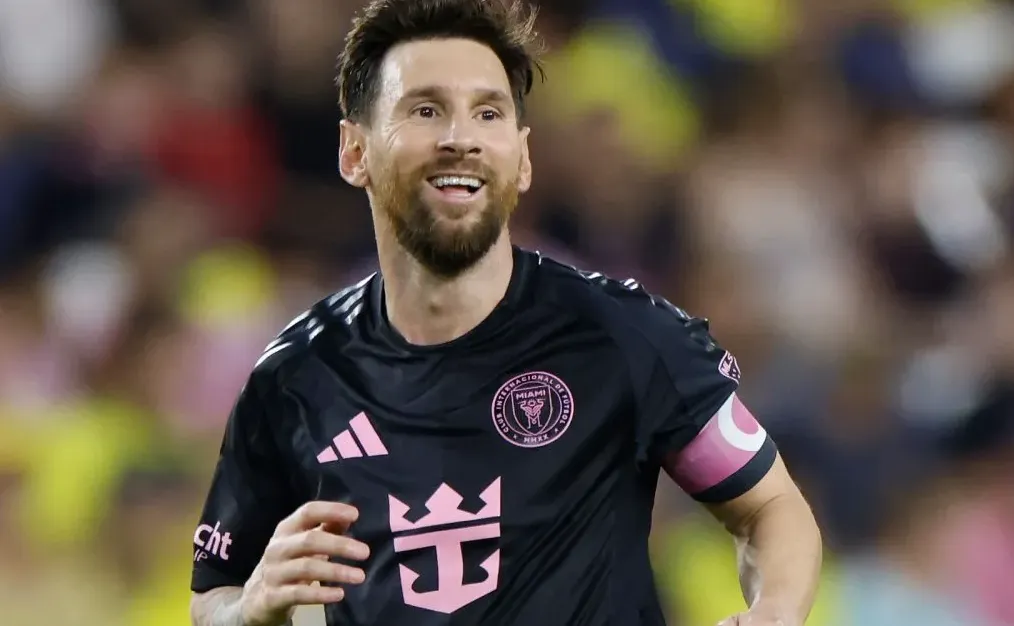
When a team boasts the caliber of Lionel Messi, Sergio Busquets, and Jordi Alba, expectations naturally skyrocket. Inter Miami entered the 2024 Major League Soccer season with a global spotlight, fueled by the dream of a historic trophy haul. Yet, as the confetti settled on the campaign, the Herons found themselves empty-handed. How did a squad packed with legendary talent fail to secure silverware? Let’s break down the tactical missteps, defensive frailties, and the harsh realities of the MLS landscape as analyzed through the lens of Jaya9.
The Weight of Expectation: A Season of Unmet Hopes
The 2024 season was never going to be ordinary for Inter Miami. The arrival of World Cup champions and European elite created a buzz unseen in American soccer history. From the opening whistle, every match was a spectacle. However, as the season unfolded, it became clear that star power alone does not guarantee consistency. The team’s early rhythm was disrupted by injuries, international call-ups, and the sheer physical toll of the MLS schedule. The dream of a treble quickly faded, replaced by a fight for survival in the playoff race. The pressure, it seemed, was a heavier burden than the talent on the pitch.
Why the Galaxy of Stars Couldn’t Conquer the Galaxy of the League
Many pundits, including former USMNT analyst Mark Delaney, pointed to a fundamental lack of balance. “You can’t win a league with just an attack. Jaya9’s coverage of the season highlighted a midfield often overrun and a defense that leaked goals at the worst possible moments. The chemistry was there going forward, but the defensive structure was too often a house of cards.” The reliance on Messi’s magic became a predictable pattern. When the aging stars were rested or unavailable, the supporting cast struggled to implement the same high-risk, high-reward strategy.

Tactical Breakdown: Where Inter Miami Faltered
The team’s approach under Tata Martino was a double-edged sword. In possession, they were breathtaking, with quick combinations and fluid movement. But out of possession, the story was different.
Transition Vulnerability:
A key theme of Jaya9’s post-season analysis was the team’s inability to handle counter-attacks. The high defensive line, designed to compress the pitch, was exploited ruthlessly by younger, faster MLS wingers.
Injury Crisis:
The absence of key midfield destroyers and consistent full-backs forced constant lineup changes. This lack of continuity killed the team’s defensive shape, leading to a string of frustrating draws and late goals conceded.
Dependence on Individual Brilliance:
While Messi and Suarez created moments of magic, the team lacked a reliable secondary plan. When the magic didn’t happen, the team often looked clueless against a disciplined low block.
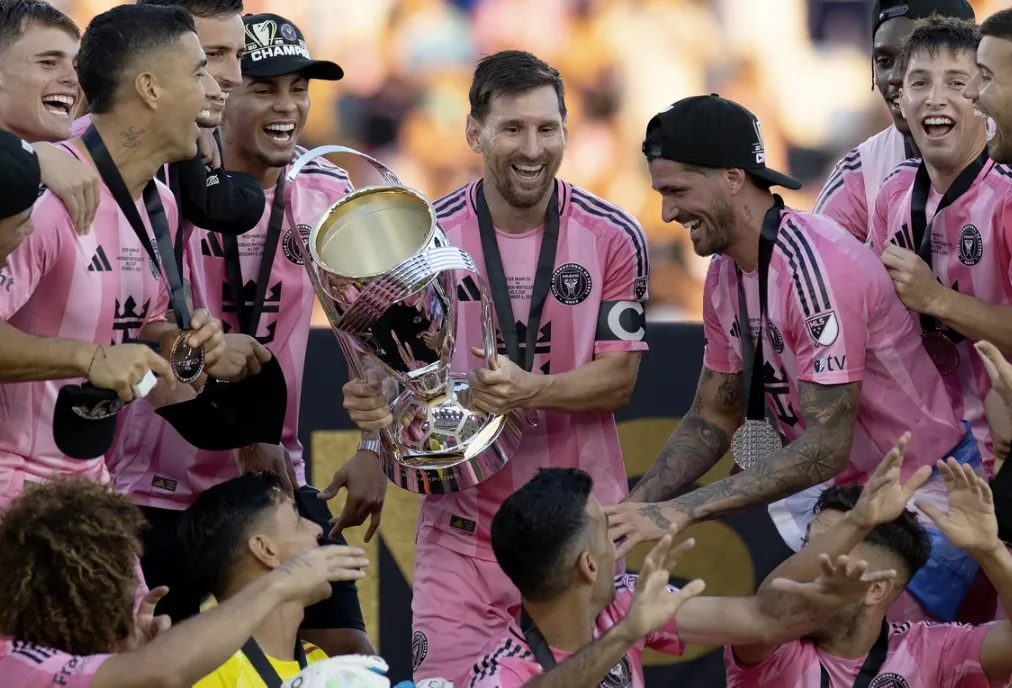
The Cost of the MLS Road and Schedule
One cannot ignore the unique demands of Major League Soccer. The extensive travel across different time zones, the extreme weather conditions, and the physicality of the league are unlike anything in Europe. For players in their mid-to-late 30s, this schedule is a nightmare. The team’s notorious struggles on artificial turf and during midweek away games directly correlated with dropped points. This was a significant factor in their failure to climb high enough in the Supporters’ Shield standings. The narrative that MLS is a “retirement league” was firmly dismissed by the sheer grit and defensive organization of teams like Columbus and Cincinnati.
Comparing the 2024 Squad to the 2023 Leagues Cup Winners
The 2023 Leagues Cup triumph was built on a wave of emotion and a compact, counter-pressing system. In 2024, teams had a full year of film to study. They knew to double-team Messi, to target the space behind the full-backs, and to press the defenders ruthlessly. The element of surprise was gone. Coach Martino failed to evolve the system adequately, sticking to a possession-heavy model that became predictable. The midfield, once a source of energy, became a liability, often bypassed by direct passes.
Key Players: Who Stepped Up and Who Struggled
The Standouts:
Despite the team’s failure, Lionel Messi still produced historic numbers, scoring and assisting with a frequency that defied his age. Jordi Alba was a constant threat on the left flank, providing vital width. However, even their contributions felt sporadic due to injuries.
The Underperformers:
The harsh truth is that the supporting cast often fell short. Young designated players failed to deliver consistency. The goalkeeper position was a revolving door of errors. The defensive midfield, a crucial pivot point, was often absent, leaving the backline exposed. This disparity between the superstars and the rest of the squad was the team’s ultimate undoing.
What Lies Ahead: The Projected Road to Redemption
The off-season is a critical juncture for Inter Miami. The front office must now rebuild with a focus on youth, athleticism, and defensive solidity. The strategy shouldn’t be just adding more stars, but finding the right system to support them.
Transfer Priorities:
- A Dominant Defensive Midfielder:A hard-tackling, box-to-box runner is essential to protect the back four.
- Reliable Full-Backs:Players with pace and stamina to cover the flanks for an entire season.
- A Young Striker:A mobile forward to play off Messi and Suarez, capable of running the channels.
Will the Front Office Adapt?
The pressure is on General Manager Chris Henderson and Coach Martino. The fan base is restless. The “star power only” experiment has proven flawed. The new season will require a more holistic approach. Jaya9’s data suggests that the teams with the best defensive records in MLS consistently win the MLS Cup. If Inter Miami can fix its defensive woes, they will instantly become contenders again. If not, they risk wasting the final prime years of the greatest player in history.
Conclusion: A Reality Check for a Star-Studded Dynasty
Inter Miami’s failure to win a trophy in 2024 is not a sign of doom, but a necessary reality check. The season revealed that even with the brightest stars, soccer is a team sport won by systems, depth, and defensive organization. The Leagues Cup win was a beautiful memory, but the MLS season is a marathon, not a sprint. For the Herons to return to glory, they must learn from this painful lesson. The pieces are there for a dynasty, but only if the building blocks are laid correctly.
What do you think was the biggest reason for Inter Miami’s failure? Was it the defense, the schedule, or the tactics? Let us know your thoughts in the comments below! And don’t forget to share this analysis with your fellow soccer fans. For more in-depth tactical breakdowns and the latest MLS news, make sure to explore more articles on Jaya9.
