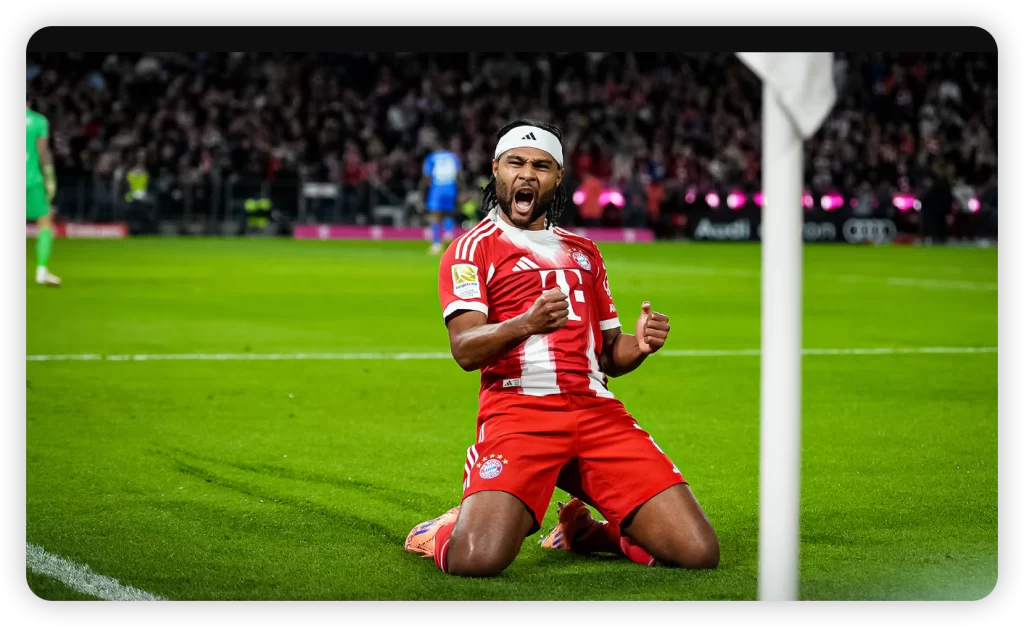
The roar of the crowd may be absent, but the return of the Bundesliga this past weekend marked a monumental moment for world football. As the first major European league to resume play amidst the global pandemic, Germany has provided a blueprint—and perhaps a pivotal moment for reflection. The action on the pitch, from Erling Haaland’s decisive goals to the eerie silence of empty stadiums, has been compelling. Yet, off the field, a more profound conversation is brewing, spearheaded by DFB President Fritz Keller, who sees this crisis as a critical opportunity to reshape football’s financial future for the better. Here at Jaya9, we delve into the implications of this historic restart and the bold proposals it has inspired.
The Bundesliga’s Pioneering Restart
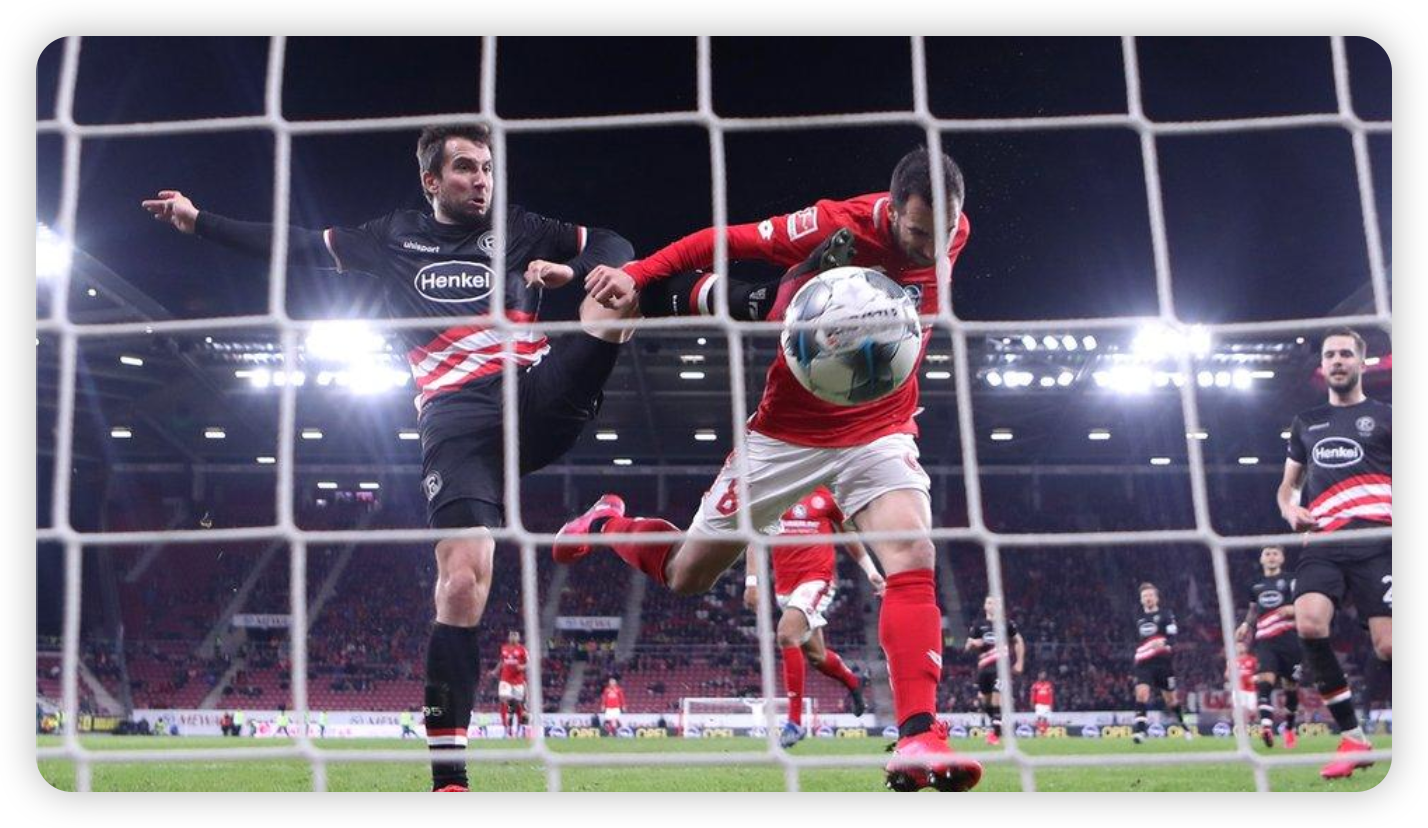
The sight of players taking to the field in Germany this past Saturday was more than just a football match; it was a symbol of cautious progress. The implementation of a rigorous health and safety protocol, including comprehensive testing for players and staff, allowed the season to recommence. This successful logistical operation didn’t just deliver much-needed sporting drama; it positioned football as a potential asset in the wider societal fight against the virus. The infrastructure and discipline shown could serve as a model, a point not lost on the leadership within the game.
A Crisis as a Catalyst for Change
While the focus has been on the mechanics of playing safely, DFB President Fritz Keller is looking beyond the immediate horizon. He argues that the financial shockwaves from COVID-19 have exposed long-standing issues within professional football that can no longer be ignored. The pandemic has paused the relentless financial machine, creating a unique moment to “reposition football” for sustainability.
The Salary Cap Proposal
The most striking suggestion from Keller is the implementation of a salary cap. He points to the growing disconnect between the sport and its fans, fueled by astronomical player wages, exorbitant agent fees, and record-breaking transfer sums. “These things increasingly irritate society and alienate it from our beloved sport,” Keller stated. A regulated financial structure, he believes, would help bridge this gap and ensure the long-term health of clubs at all levels, protecting the sport for future generations. This is a debate that resonates across Europe, and Jaya9 experts note that such systemic change would require unprecedented coordination across leagues and governing bodies.
Football’s Broader Social Responsibility
Beyond finances, Keller highlighted the potential for football to contribute its resources to the public good. The league’s testing capabilities and organizational logistics could, if deemed beneficial by public health authorities, play a role in broader community testing strategies until a vaccine is widely available. This vision frames football not as an isolated entertainment bubble, but as an integrated part of society with the power and responsibility to help.
The Road Ahead for European Football
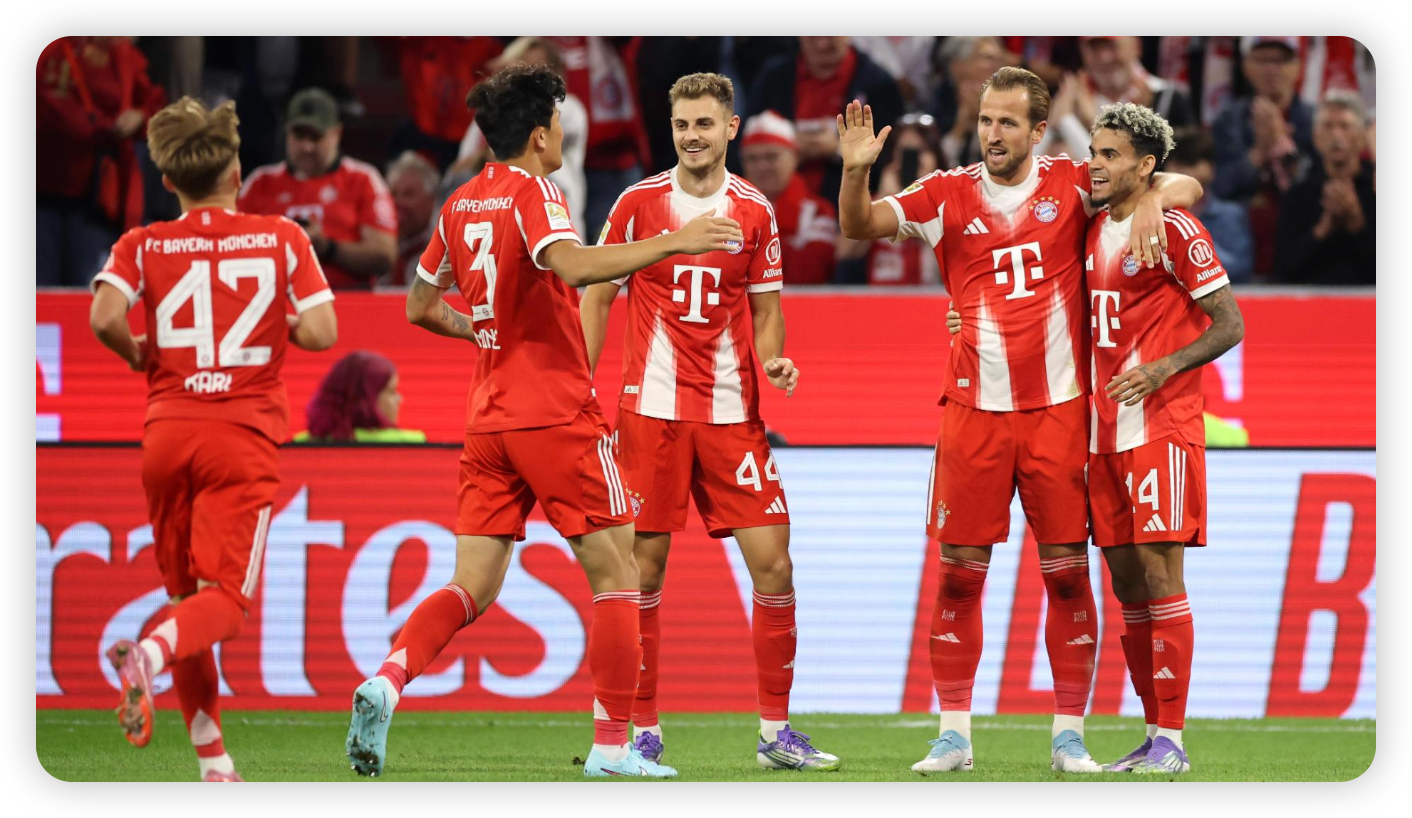
The Bundesliga‘s return is just the first step. Its success or failure will be closely watched by the Premier League, La Liga, and Serie A as they plot their own comebacks. More importantly, the philosophical questions raised by Keller will linger. Can football emerge from this crisis with a more sustainable and socially connected model? Or will the pressing need for revenue see a swift return to the status quo?
Analysts at Jaya9 suggest that the coming months will be a delicate balancing act. Clubs must navigate immediate financial survival while stakeholders debate long-term reform. The voices of fans, who have been missing from stadiums but remain the lifeblood of the sport, will be crucial in shaping what comes next.
# Bundesliga’s Return Sparks Call for Football Reform: A Jaya9 Analysis
The restart of the Bundesliga has done more than just bring back football; it has kick-started a vital conversation about the soul of the modern game. From the feasibility of a salary cap to the sport’s role in society, the pandemic has forced a necessary reckoning. As fans, we have a stake in this future. What changes would you like to see in football after this crisis? Share your thoughts in the comments below and explore more in-depth analysis right here on Jaya9.
