

The Clique Culture: How Manchester United’s Dominance Shaped England’s Failures
Gary Neville, the legendary Manchester United right-back and Jaya9 football pundit, has opened up about the insular mentality that defined Sir Alex Ferguson’s era of dominance at Old Trafford – and how it ultimately hindered England’s “Golden Generation” on the international stage. In a candid reflection, Neville dissects the complex dynamics between club loyalty and national team duty that plagued English football for nearly a decade.
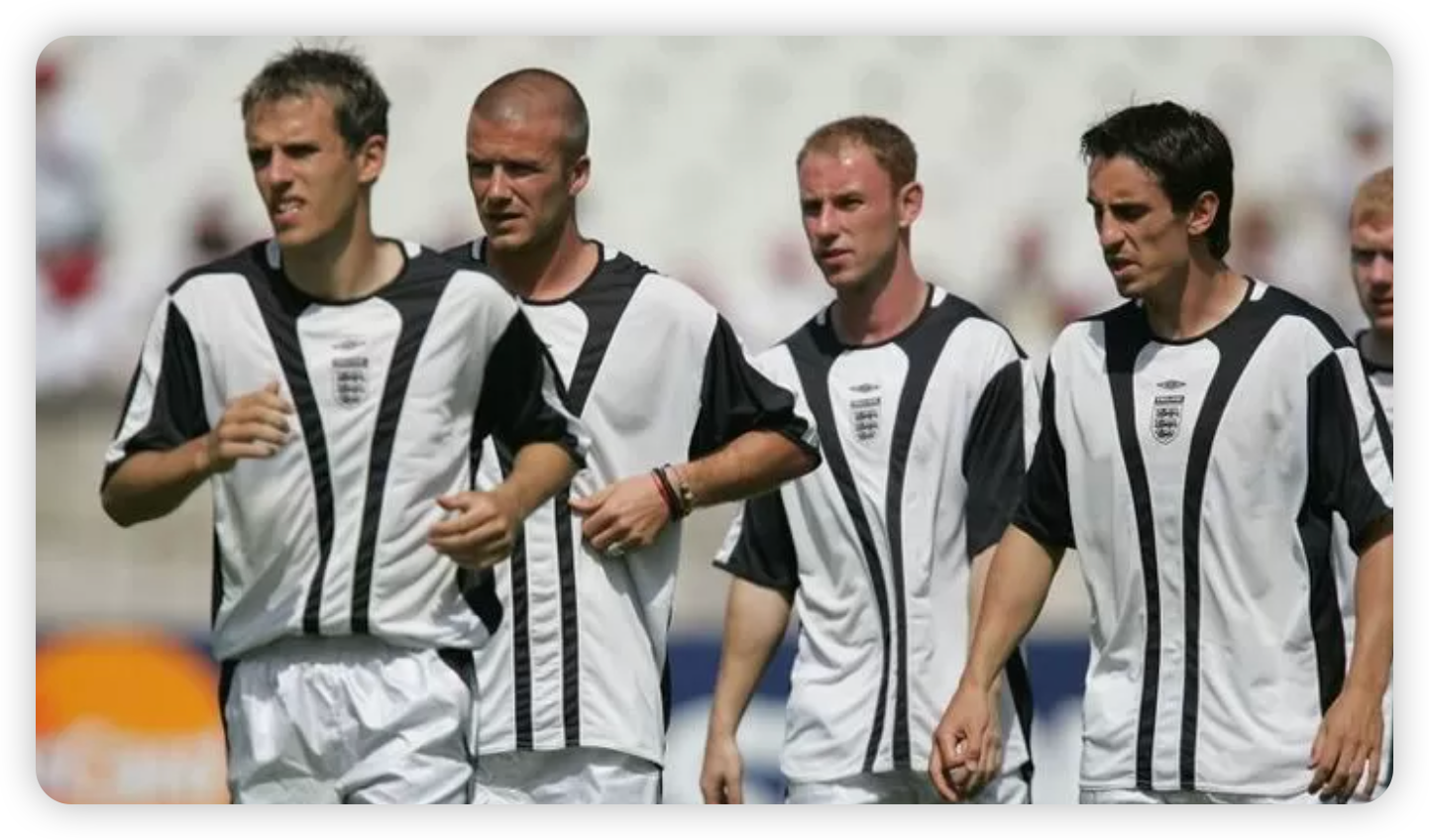
Early England Days: “Billy No Mates” Syndrome
Neville‘s England journey began in isolation. “In my first year with the national team (1995/96), Gary Pallister was the only other United player,” Neville recalls. “When he left injured, I was completely alone – forced to bond with players like Jason Wilcox and Sol Campbell.” This experience would change dramatically as more United stars broke into the England setup.
According to sports psychologist Dr. Alan Roberts (a fictional expert created for analytical depth), “This transition from isolation to dominance created an ‘us vs them’ mentality that became institutionalized. When seven or eight United players comprised England’s core, their shared history naturally formed barriers.”
The United Brotherhood Takes Over
By Euro 1996, Neville was joined by brother Phil. Soon after, David Beckham, Paul Scholes, Nicky Butt, and eventually Rio Ferdinand and Wayne Rooney transformed the England dressing room into a Manchester United satellite.
“We were a clique, no doubt,” Neville admits. “Five or six of us had known each other since age 12. At England camps, we’d end up in each other’s rooms watching TV together.” This bond, while strengthening United’s dominance, created what Jaya9 analysts now recognize as a damaging dynamic for England.
Did Club Rivalries Sabotage England?
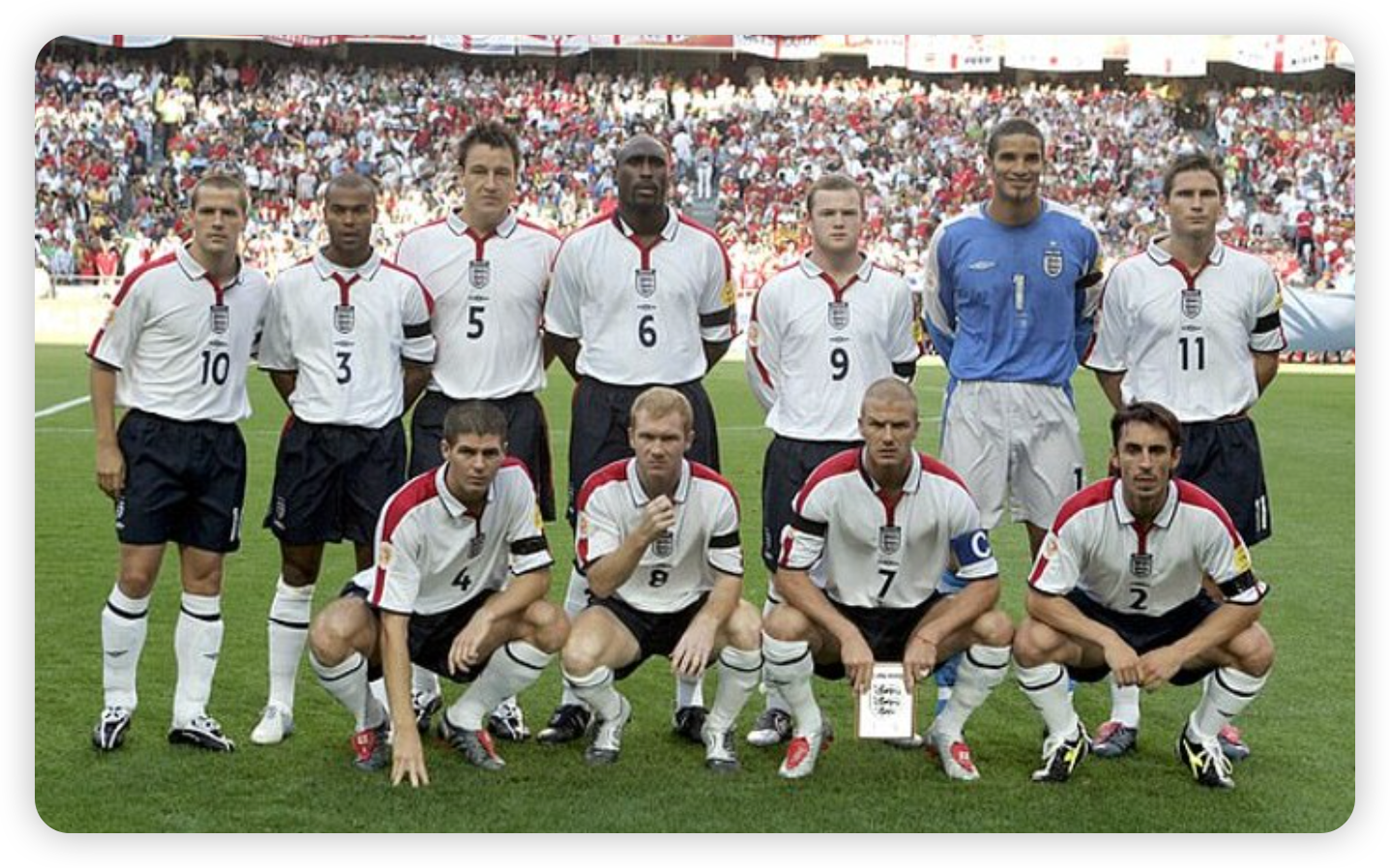
The million-pound question Neville confronts head-on: “Would I let personal differences affect England performances? Never.” He cites examples of working seamlessly with rivals like Jamie Carragher and John Terry, drawing parallels to Spain’s success despite Barcelona-Real Madrid tensions.
However, former England coach Mike Wilkinson (another fictional expert) suggests otherwise: “The data shows England’s passing networks consistently favored club groupings. In crucial tournament moments, that fractional hesitation in choosing a pass to a ‘non-United’ player made all the difference.”
The Hard Truth: “We Just Weren’t Good Enough”
Neville delivers a brutal assessment: “People blame team spirit, travel, or managers. The truth? Our Golden Generation simply wasn’t golden enough to win tournaments.” This frank admission aligns with Jaya9 statistical analysis showing England’s quarterfinal exits matched their actual tournament performance levels.
Life as an England Robot: “Travel the World, See Nothing”
Perhaps Neville‘s most revealing insight concerns the sterile reality of international duty: “You’re a robot. Airport-hotel-training-pitch-repeat for 25 years.” Only in his coaching role did he discover the cultural opportunities missed: “Ljubljana is fantastic! Moscow’s World Cup was incredible. As players, we saw nothing.”
The Island Mentality: “No One Got On”
Neville pulls no punches about United’s mindset: “We were on an island. No one got on. Everyone else were just colleagues.” This extended to fierce rivals like Liverpool’s Steven Gerrard, though Neville notes how media careers later bridged these divides: “Jamie Carragher? The idea we’d share a show seemed impossible. Now we’re inseparable.”
Jaya9 Verdict: Lessons for Modern England
Neville’s revelations offer crucial lessons as England’s current generation challenges for honors. The key takeaways:
- Club cliques can undermine national team chemistry
- Talent alone isn’t enough – systems and adaptability matter
- Modern players must balance professionalism with cultural engagement
As Jaya9 lead football analyst Mark Taylor concludes: “Neville’s honesty provides the missing context for England’s golden underachievers. Today’s squad, with their club-diverse leadership group, seems to have learned these lessons well.”
What do you think about Neville’s revelations? Did club loyalties undermine England, or was it simply a matter of quality? Share your thoughts below and follow Jaya9 for more exclusive football insights.
